
Concrete isn’t just for sidewalks and parking lots anymore. It’s quietly becoming the star of modern home design. Architectural-grade residential concrete lets homeowners enjoy a clean, stylish look that’s also tough enough to handle real life.
Think sleek floors that don’t scratch easily, feature walls with texture and character, and outdoor spaces that feel like an extension of your living room. With today’s mixes, finishes, and colors, concrete can be warm, cozy, and surprisingly inviting.
In this shift, homeowners and designers are starting to see concrete as a design choice, not just a building material. Let’s look at how the rise of architectural grade residential concrete is changing the way we think about comfort, style, and everyday living at home.
How is Architectural Grade Concrete Changing Modern Residential Home Design?
Architectural-grade concrete isn’t your everyday slab. It’s intentional. It’s expressive. It’s functional art. And modern home design is embracing it wholeheartedly.
- It supports the clean, minimalistic style homeowners love: Architectural concrete has a natural elegance that fits effortlessly into modern, industrial, Scandinavian, contemporary, and mid-century modern styles. Its smooth finish, neutral tones, and custom textures bring a sense of calm and simplicity.
- It creates seamless indoor–outdoor transitions: Designers today want continuity—spaces that flow. Architectural concrete makes this easy. Imagine a polished concrete kitchen floor leading directly to matching concrete patios, a smooth transition from interior to exterior without thresholds, and a unified visual experience. This design concept is exploding in popularity.
- It expands creative possibilities: Unlike many materials, architectural concrete can be molded, textured, colored, polished, stamped, and sculpted. That means designers can dream bigger. And they are.
- It pairs well with natural elements: Wood, steel, stone, and glass all shine next to architectural concrete. It acts as a grounding visual anchor without overpowering the surroundings.
- It supports modern sustainability goals: According to the Environmental Protection Agency (EPA), using durable materials with high thermal mass can significantly improve a building’s energy efficiency. Eco-conscious homeowners appreciate concrete’s:
- Thermal mass
- Longevity
- Ability to integrate with radiant heating
- Reduced need for replacement
Sustainability isn’t a buzzword—it’s a priority. Concrete fits into that vision seamlessly. In short, architectural-grade concrete is giving designers more freedom, homeowners more style, and homes more character.
What Makes Architectural Grade Concrete Different From Standard Residential Concrete?
Concrete may all look similar to the untrained eye, but architectural-grade concrete is in an entirely different league.
- It’s designed for appearance as much as strength: Standard concrete focuses on structural integrity. Architectural-grade concrete focuses on smooth finishes, consistent color, controlled curing, and high-quality aggregates. It’s engineered to look beautiful—not just hold weight.
- It uses premium materials: Architectural-grade mixes often include higher cement content, refined sand, select aggregates, color pigments, and additives for consistency. That’s why it looks smoother, richer, and more refined than a standard concrete flatwork application.
- It offers customizable aesthetics: Homeowners and designers can choose satin, matte, or high-gloss finishes; soft natural hues or bold pigment tones; and smooth, troweled, or textured surfaces.
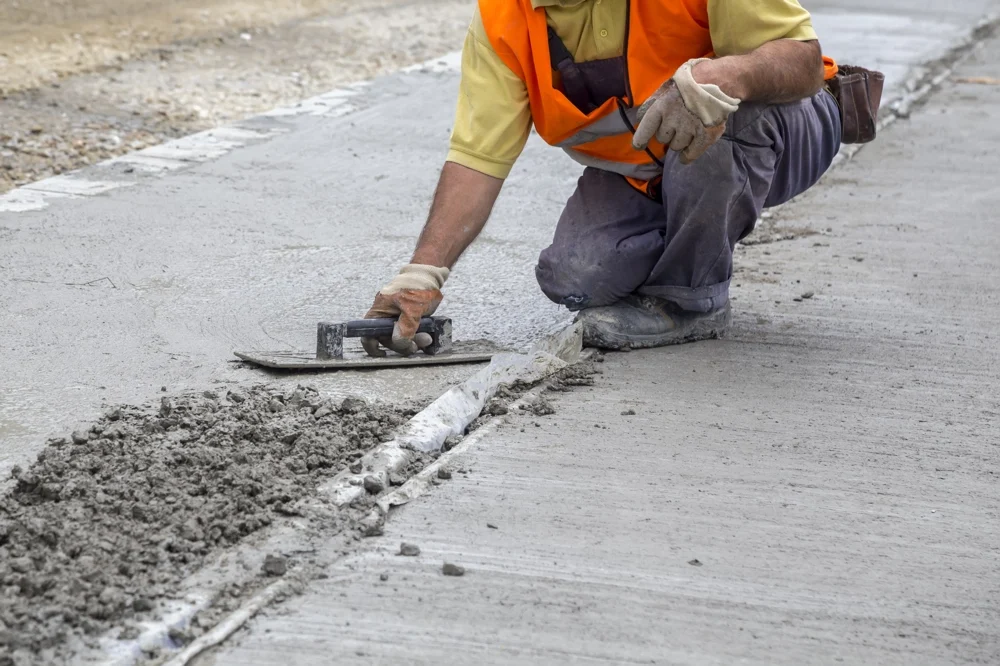
- The installation process is more precise: It requires skilled craftsmanship, careful material handling, strict curing control, and detailed finishing techniques. There’s an artistry to it that regular concrete doesn’t require.
- It’s suitable for both inside and outside the home: Standard concrete is primarily outdoor-focused. Architectural-grade concrete works beautifully for floors, countertops, fireplaces, bathroom vanities, shower walls, and furniture pieces.
Why are More Homeowners Choosing Architectural Grade Concrete For Their Exterior and Interior Spaces?
There’s a reason architectural-grade concrete is trending. Actually, several.
- Homeowners want modern, timeless aesthetics: Trends come and go, but architectural concrete feels fresh and timeless. It complements any style and evolves with homeowners over decades.
- It fits the “low-maintenance luxury” lifestyle: People want beautiful spaces that don’t need constant upkeep. Architectural concrete offers easy cleaning, minimal repairs, and resistance to wear.
- It supports creative customization: No two architectural concrete installations are the same. This is especially true when choosing stamped concrete patterns or special textures.
- It enhances functionality: Concrete stays cool in warm climates and works well with radiant floor heating indoors. For outdoor spaces, it holds up against the elements and resists cracking when properly installed.
- It’s cost-effective compared to premium materials: Wood warps, tile cracks, and stone gets pricey fast. Architectural concrete gives you a high-end look without the premium cost or constant replacement.
How Does Architectural Grade Concrete Influence Long Term Durability and Aesthetics in Home Construction?
Architectural-grade concrete isn’t just about the initial wow factor. It’s designed to age beautifully—and hold strong over time. It’s built to last decades, outlasting wood, tile, and composite materials. Understanding the science behind concrete slabs reveals why this material provides such long-term structural stability.
Its density and strength protect against cracking, shifting, and surface erosion, especially when reinforced properly. Because it stays attractive and strong for so long, homeowners avoid replacing or resurfacing areas like decks and walkways. Less replacement means less cost—and less environmental waste. Long-term, architectural concrete is one of the most durable and aesthetically resilient choices available in residential construction today.
Bring Architectural Beauty Home — Work With RyanCo Concrete Construction
If you’re ready to transform your home with architectural-grade concrete—inside, outside, or both—RyanCo Concrete Construction is here to bring your ideas to life. We specialize in high-quality craftsmanship that blends durability with design, giving homeowners stunning spaces that last for decades.
Turn your home into a modern masterpiece. Contact RyanCo Concrete Construction today and discover what architectural-grade concrete can do for your space.
