
If you’ve driven through a fast-growing suburb lately, you’ve probably noticed something subtle but significant.
The houses are getting bigger. The garages are fuller. The streets are busier.
And the driveways? They’re stretching.
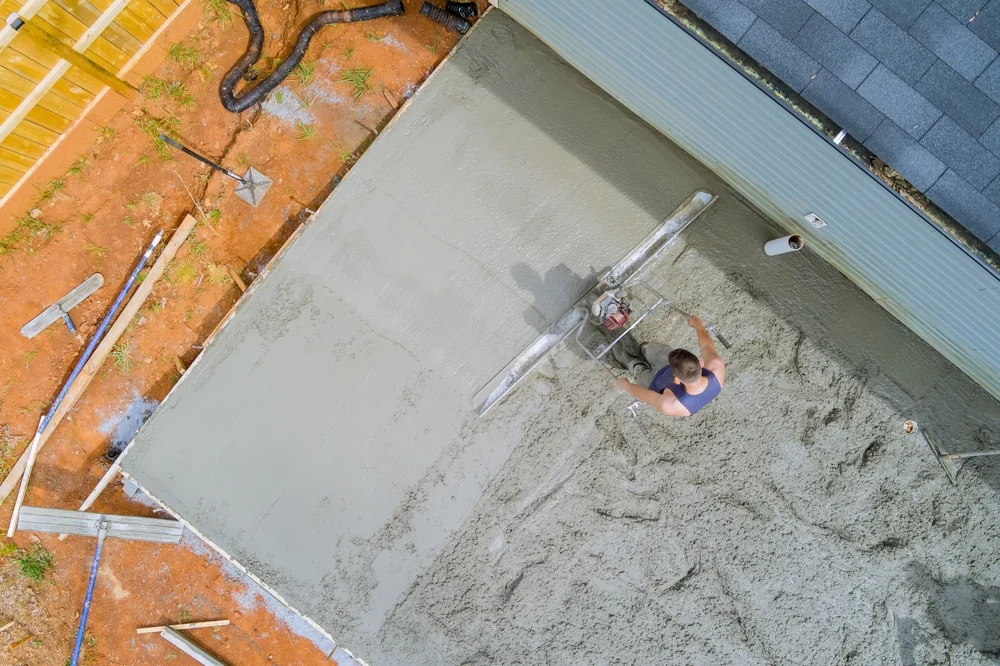
Driveway extensions are quietly becoming one of the most practical and visually impactful upgrades in expanding suburban neighborhoods. What used to be a simple two-car strip of concrete is now evolving into wider, longer, and more thoughtfully designed spaces.
It’s not just about parking anymore. It’s about lifestyle, property value, and adapting to how families actually live in growing communities.
Let’s dig into the trends shaping driveway extensions in today’s suburbs—and why this upgrade is gaining serious traction.
What are the Most Popular Driveway Extension Trends in Growing Suburbs?
Driveway extensions used to feel like an afterthought. A patch of added concrete poured when space ran out.
Today, they’re designed intentionally from the start.
Here are some of the most popular trends emerging in expanding suburban areas:
1. Side Extensions for Multi-Vehicle Households
Suburban growth often brings larger families or multi-generational households. With that comes more vehicles.
Side extensions allow homeowners to:
- Add a third or fourth parking space
- Avoid street parking congestion
- Create room for guests
Instead of squeezing cars into tight spaces, homeowners are opting for clean, widened layouts that feel purposeful.
2. Extended Length for Larger Vehicles
Trucks and SUVs are bigger than they were a decade ago.
Driveway extensions now frequently add extra depth to accommodate:
- Extended cab trucks
- Large SUVs
- Boats or small trailers
Nobody wants their vehicle hanging halfway onto the sidewalk.
3. Decorative Concrete Finishes
Plain gray concrete still works—but many homeowners are elevating the look.
Modern driveway extensions often include:
- Stamped concrete patterns
- Exposed aggregate finishes
- Colored concrete blends
- Smooth broom finishes with decorative borders
The goal isn’t just functionality. It’s curb appeal.
4. Integrated Walkways
Rather than separate paths, many driveway extensions now incorporate:
- Clean transitions into front entry walkways
- Defined pedestrian zones
- Contrasting textures for visual interest
It creates a cohesive front-yard design.
5. Seamless Expansion
One noticeable trend is making extensions look original—not “added on.”
Contractors focus on:
- Matching slope and grade
- Blending joint lines
- Ensuring consistent finish
The best driveway extensions don’t scream “afterthought.” They look like they were always meant to be there.
How Do Driveway Extensions Increase Property Value in Expanding Suburban Neighborhoods?
In growing suburbs, convenience matters.
When buyers evaluate homes, they’re not just looking at square footage inside. They’re assessing functionality outside.
Driveway extensions add value in several practical ways.
1. Improved Parking Capacity
More parking equals more flexibility.
Buyers often prioritize homes that can:
- Accommodate multiple drivers
- Handle guest parking
- Provide room for recreational vehicles
In neighborhoods where street parking is limited, extra driveway space is a real asset.
2. Enhanced Curb Appeal
A well-designed driveway extension can dramatically improve the first impression of a home.
Clean, spacious concrete surfaces signal:
- Good maintenance
- Thoughtful upgrades
- Pride of ownership
That visual boost can influence appraisal perception.
3. Reduced Wear on Lawns
Without adequate parking, vehicles end up on grass.
That leads to:
- Mud patches
- Damaged landscaping
- Drainage issues
Driveway extensions protect lawns while maintaining neatness.
4. Increased Practical Livability
Suburban life often includes:
- Teen drivers
- Work vehicles
- Carpooling
- Delivery traffic
Homes that accommodate these realities feel more functional.
Buyers recognize that value.
5. Long-Term Durability
Concrete driveway extensions, when installed properly, offer long service life.
Unlike temporary gravel expansions, a permanent concrete extension reflects a stable investment.
Property value isn’t just about resale price. It’s about daily usability—and that’s where driveway extensions quietly shine.
What Materials are Commonly Used For Modern Driveway Extensions in Suburban Areas?
Material choice has a significant impact on both aesthetics and performance.
In fast-growing suburbs, homeowners are prioritizing durability and style.
Here are the most common materials used today:
1. Standard Concrete
Still the most popular option.
Why?
- Strong and long-lasting
- Cost-effective
- Low maintenance
- Clean appearance
With proper installation and reinforcement, concrete holds up well under heavy vehicle loads.
2. Stamped Concrete
Stamped concrete mimics the look of:
- Stone
- Brick
- Tile
It adds visual texture without sacrificing structural strength.
This option works well in neighborhoods where architectural design matters.
3. Exposed Aggregate
This finish reveals small stones within the concrete.
Benefits include:
- Slip resistance
- Decorative appearance
- Durability
It blends nicely with landscaped surroundings.
4. Reinforced Concrete with Control Joints
Modern driveway extensions incorporate strategic control joints to minimize cracking.
Reinforcement ensures:
- Structural integrity
- Load distribution
- Long-term performance
5. Integrated Border Designs
Many homeowners add contrasting borders or edges to create a polished finish.
It’s a subtle upgrade that elevates the entire look.
Material choice ultimately depends on budget, climate, and aesthetic goals—but concrete remains the backbone of most suburban driveway expansions.
Why are Wider Driveway Designs Becoming More Common In Fast Growing Suburbs?
Driveway width is increasing—and it’s not accidental.
Several lifestyle shifts are driving this trend.
1. More Vehicles Per Household
It’s common for suburban households to have:
- Two commuting adults
- A teenage driver
- Occasional work vehicles
That’s three or more vehicles before guests arrive.
Wider driveways reduce congestion and prevent constant car shuffling.
2. Work-From-Home Flexibility
With more people working remotely, driveways are being used for:
- Client visits
- Home-based business parking
- Delivery access
Wider layouts support these evolving needs.
3. Safety and Accessibility
Narrow driveways can create awkward entry and exit angles.
Wider designs:
- Improve maneuverability
- Reduce risk of scraping curbs
- Enhance visibility
In growing neighborhoods with increased traffic, easier access is a major plus.
4. Neighborhood Aesthetics
As subdivisions expand, developers often build homes with larger footprints.
A narrow driveway in front of a large home can look disproportionate.
Wider driveway designs balance the visual scale.
5. Multi-Generational Living
It’s becoming more common for adult children and aging parents to live under one roof.
More residents often means more vehicles. Driveways are adapting to reflect that shift.
Expand Your Driveway with Confidence
If your driveway feels cramped, outdated, or simply no longer fits your lifestyle, it may be time to consider an extension.
At RyanCo Concrete Construction, we design and install driveway extensions that blend durability, structural integrity, and curb appeal. Our team focuses on proper grading, reinforcement, and seamless integration to ensure your expanded driveway performs as well as it looks.
Ready to create the space your growing household needs? Let’s build a driveway that works as hard as you do.
