
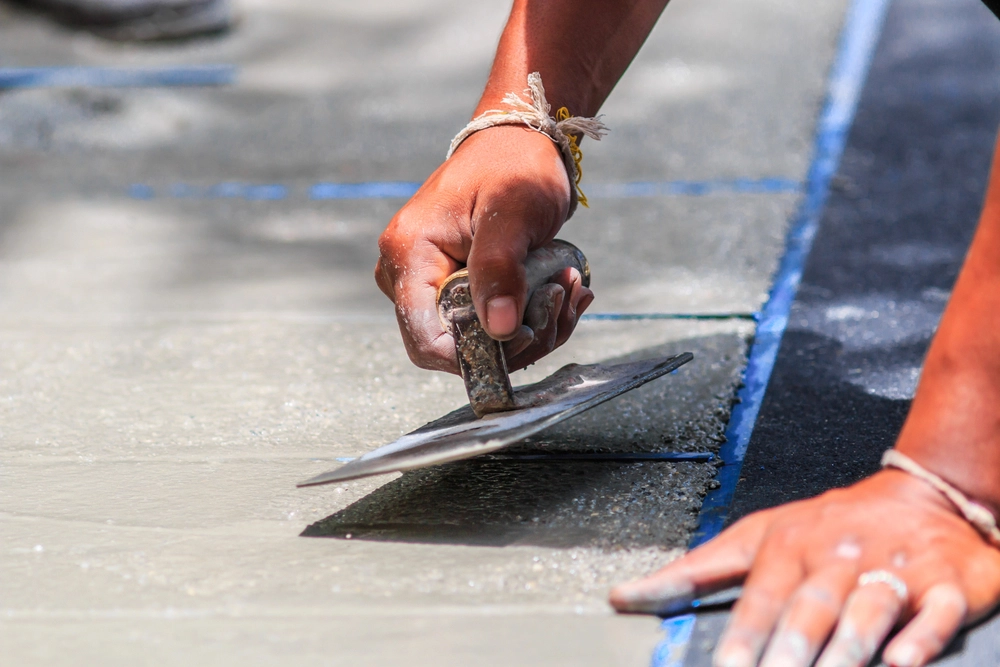
Concrete is built to last, but like any material, it doesn’t stay perfect forever. Over time, wear and tear, weather, and ground movement can lead to cracks, uneven surfaces, and other issues. That’s when homeowners start asking the big question: do I need concrete repair or full concrete replacement in Rock Hill, SC?
The answer depends on the severity of the damage, the condition of the base, and how long you want the solution to last. In some cases, repairs can restore both appearance and function. In others, replacement is the smarter long-term investment.
In this guide, we’ll walk you through how to tell the difference so you can make a confident decision for your property.
What Are The Signs That Concrete Needs Replacement?
Not all damage can be fixed with a quick patch. Some signs clearly point toward the need for concrete replacement.
Large or Widespread Cracks
Small cracks can often be repaired, but large cracks that spread across the surface may indicate deeper structural issues. If cracks continue to grow or multiply, replacement may be necessary. Learn more about the causes in cracking in concrete and solutions.
Uneven or Sunken Concrete
If sections of your concrete have sunk or shifted, it’s often due to soil movement underneath. This can create tripping hazards and drainage problems. Severe settling usually requires concrete replacement rather than simple concrete repair in Rock Hill, SC.
Extensive Surface Damage
When concrete begins to flake, chip, or deteriorate across large areas (known as spalling), repairs may only be temporary. Replacement offers a more permanent fix.
Drainage Issues
Pooling water on concrete surfaces is a sign of improper slope or settling. This not only affects usability but can also accelerate damage over time.
Age of the Concrete
Older concrete that has already undergone multiple repairs may be better off replaced. At a certain point, repeated concrete repair becomes less cost-effective than starting fresh.
Can Damaged Concrete Be Restored Instead of Replaced?
In many cases, yes. Not all damage requires a full tear-out.
Minor Cracks and Surface Issues
Hairline cracks and small surface imperfections are ideal candidates for concrete repair. These can often be filled and sealed to prevent further damage.
Cosmetic Improvements
If your concrete is structurally sound but looks worn, restoration techniques can improve its appearance. This includes:
- Crack filling
- Surface patching
- Sealing
You can also explore advanced restoration techniques in how to repair and restore a cracked concrete patio.
Strengthening Existing Concrete
Certain repair methods can reinforce the existing structure, extending its lifespan without requiring full concrete replacement.
Cost Benefits of Repair
Repairing concrete is typically more affordable than replacing it. If the damage is limited and the base is stable, concrete repair can be a practical and efficient solution.
The key is accurately assessing the extent of the damage before deciding.
How Much Damage Is Too Much For Repairs?
This is where things become less straightforward. The line between repair and replacement depends on several factors.
Depth of Damage
Surface-level issues are usually repairable. However, deep cracks or structural damage often require concrete replacement.
Percentage of Affected Area
If more than 30–50% of the surface is damaged, repairs may not be worth it. At that point, replacement often provides better long-term value.
Underlying Soil Conditions
If the problem originates from unstable soil, repairing the surface won’t fix the root cause. In these cases, concrete replacement with proper base preparation is the better option. Issues like soil movement are further explained in what concrete buckling reveals about soil shift.
Recurring Problems
If you’ve repaired the same area multiple times and issues keep coming back, it’s a sign that repairs are no longer effective.
Safety Concerns
Uneven or damaged concrete can create hazards. When safety is at risk, replacement is often the safest choice.
Understanding how much damage is too much helps you avoid spending money on short-term fixes when a long-term solution is needed.
Is Resurfacing a Good Alternative to Replacement?
Resurfacing is a popular middle-ground option between concrete repair and concrete replacement.
What Is Concrete Resurfacing?
Resurfacing involves applying a thin overlay on top of existing concrete to restore its appearance and improve durability.
When Resurfacing Works Best
- The concrete is structurally sound
- Damage is mostly cosmetic
- The surface is stable and level
Benefits of Resurfacing
- More affordable than full replacement
- Improves appearance quickly
- Extends the life of existing concrete
Limitations of Resurfacing
Resurfacing won’t fix:
- Deep structural cracks
- Major settling issues
- Severe base problems
In those cases, concrete replacement is still the better solution.
Resurfacing can be a great option when you want a fresh look without the cost of a full replacement, but it’s not suitable for every situation.
How Long Do Repairs Last Compared to New Concrete?
Longevity is one of the biggest factors when deciding between concrete repair and concrete replacement.
Lifespan of Repairs
Repairs can last anywhere from a few years to over a decade, depending on:
- Quality of the repair work
- Extent of the original damage
- Environmental conditions
Lifespan of New Concrete
New concrete, when installed properly, can last:
- 20 to 30 years or more
This makes concrete replacement a better long-term investment in many cases. Proper installation is key, as explained in structural consequences of poor concrete installation.
Maintenance Considerations
Both repaired and new concrete require maintenance, such as sealing and cleaning. However, new concrete typically requires less frequent intervention.
Cost vs Longevity
While repairs are cheaper upfront, they may need to be repeated. Replacement costs more initially but often saves money over time.
Choosing between the two comes down to how long you want the solution to last and your overall budget.
Should I Consult a Professional Before Deciding?
Absolutely. This is one of the most important steps in the decision-making process.
Accurate Assessment
A professional can evaluate:
- Structural integrity
- Extent of damage
- Underlying causes
This helps determine whether concrete repair or concrete services are the best option.
Avoiding Guesswork
Without expert input, it’s easy to underestimate the problem or choose the wrong solution.
Customized Recommendations
Every project is different. A professional can recommend the most cost-effective and durable approach based on your specific situation. You can also review insights in how to choose the right concrete contractor.
Saving Time and Money
Getting it right the first time prevents costly mistakes and unnecessary repairs.
Consulting a professional gives you confidence in your decision and ensures the work is done correctly.
Final Thoughts
Knowing whether your concrete needs repair or replacement starts with understanding the damage. Small cracks, light surface wear, and cosmetic issues may only need repairs or resurfacing, while deep cracks, sinking, drainage problems, or widespread damage may call for full replacement.
The right choice depends on safety, cost, appearance, and how long you want the solution to last. By looking at the condition of the concrete and getting expert guidance, you can make a smart decision that protects your property and improves its long-term value.
Get Clear Answers Before You Repair or Replace
Choosing between concrete repair in Rock Hill, SC and full replacement can feel overwhelming, but the right guidance makes the decision much easier. The condition of your concrete, the depth of the damage, and your long-term goals all matter.
RyanCo Concrete Construction helps homeowners understand their options and choose the best path forward. Whether you need small repairs or a complete replacement, our team focuses on durable, honest, and reliable results that improve safety, function, and curb appeal. You can also contact our team to get started.
