
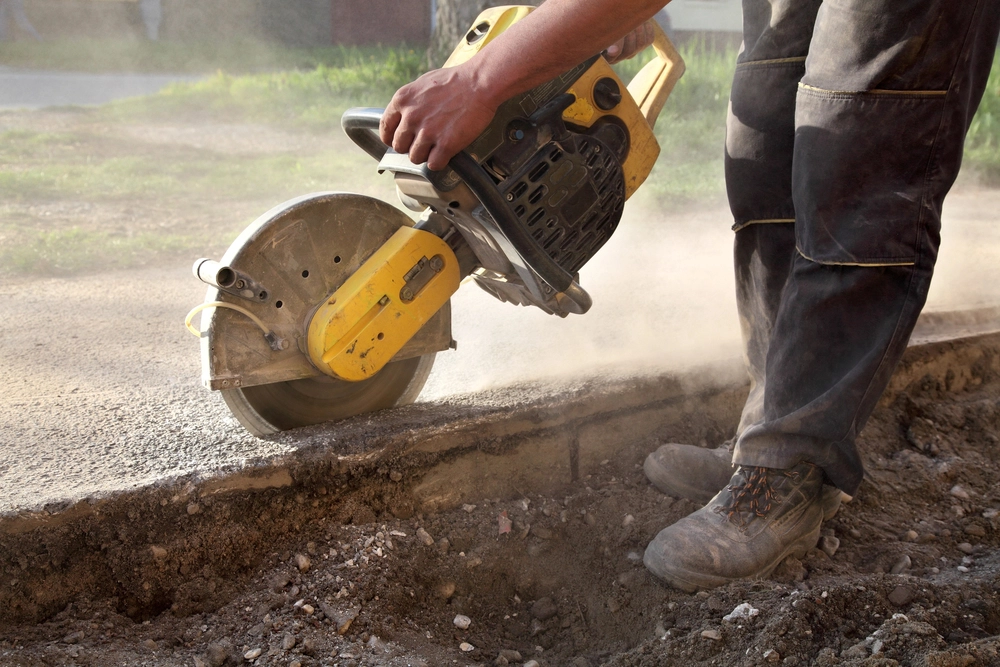
The best method for concrete demolition for driveways and patios depends on the concrete thickness, reinforcement, location, and surrounding structures. Contractors commonly use jackhammers, concrete saws, skid steers, and specialized demolition equipment to remove concrete safely and efficiently.
Choosing the right demolition approach helps reduce labor costs, improve safety, and prevent unnecessary property damage. Understanding the best concrete demolition methods also helps homeowners know when professional equipment and experience become necessary for successful driveway or patio removal.
What Tools Are Used to Break Up Concrete Safely?
Concrete demolition requires specialized tools designed to break, cut, and remove heavy material safely. The right equipment depends on the size and condition of the concrete surface.
Jackhammers Are Commonly Used
Jackhammers are one of the most widely used demolition tools. They help break concrete into manageable sections for removal.
Contractors may use:
- Electric jackhammers
- Pneumatic jackhammers
- Hydraulic breakers
Tool size depends on slab thickness and reinforcement.
Concrete Saws Create Controlled Cuts
Concrete saws help control cracking and improve demolition precision. They are commonly used to:
- Create clean edges
- Separate sections
- Reduce vibration
- Protect nearby structures
Saw cutting is especially useful around foundations or utility lines.
Heavy Machinery Improves Efficiency
Large demolition projects may involve:
- Skid steers
- Excavators
- Mini excavators
- Hydraulic hammers
Heavy equipment speeds up removal for larger driveways and reinforced slabs.
Safety Equipment Remains Essential
Concrete demolition creates flying debris, dust, and noise. Professional crews typically use:
- Eye protection
- Respirators
- Gloves
- Hearing protection
- Steel-toe boots
Proper safety procedures reduce injury risks during demolition.
Is Jackhammering or Cutting Better for Concrete Removal?
Both methods serve important purposes, and many projects use a combination of cutting and jackhammering together. The best choice depends on the project layout and demolition goals.
Jackhammering Works Well for Large Slab Removal
Jackhammers efficiently break apart concrete surfaces. This method works well for:
- Driveways
- Sidewalks
- Open patios
- Thick slabs
However, excessive vibration may become a concern near structures.
Saw Cutting Improves Precision
Concrete cutting creates controlled break lines before demolition begins. This helps:
- Reduce cracking
- Protect nearby foundations
- Minimize vibration
- Improve debris management
Saw cutting is often used near homes, garages, and utility areas.
Reinforced Concrete May Require Both Methods
Concrete containing rebar or wire mesh often needs cutting first and jackhammering second. Reinforcement makes slabs more difficult to break apart cleanly.
Project Location Affects the Method
Open outdoor spaces may allow aggressive demolition methods. Tighter residential areas often require more controlled approaches to protect surrounding structures.
Choosing the right combination is part of using the best concrete demolition methods safely and efficiently.
Can I Remove a Concrete Driveway Myself or Should I Hire a Pro?
Small concrete projects may be manageable for experienced homeowners, but many driveway demolitions are safer and more efficient with professional contractors. Concrete removal involves significant physical labor and safety risks.
DIY Demolition May Seem Cheaper Initially
Some homeowners attempt demolition using rented equipment such as:
- Jackhammers
- Dump trailers
- Concrete saws
For small patios or thin concrete, this may sometimes be manageable.
Concrete Removal Becomes Physically Demanding
Driveways often contain:
- Thick concrete
- Reinforcement steel
- Heavy debris
- Deep base material
Concrete pieces become extremely heavy after breaking. Handling disposal alone can quickly become difficult.
Utility Risks Increase Project Danger
Hidden utilities may exist beneath the slab. These may include:
- Water lines
- Electrical conduits
- Gas lines
- Drainage systems
Accidental utility damage can become dangerous and expensive.
Professionals Improve Speed and Safety
Contractors often complete demolition more efficiently because they have:
- Specialized equipment
- Disposal resources
- Safety training
- Site experience
Professional demolition may ultimately save time and reduce property damage risks.
What Is the Safest Way to Demolish a Patio Near a House?
Patio demolition near a home requires controlled removal methods designed to protect the structure, utilities, and surrounding landscaping. Precision becomes especially important in tight spaces.
Controlled Cutting Helps Reduce Vibration
Excessive vibration can damage nearby foundations or exterior surfaces. Contractors often use saw cutting to isolate sections before removal begins. This limits uncontrolled cracking and movement.
Smaller Demolition Sections Improve Control
Breaking the patio into smaller pieces helps minimize force transfer near the house. Controlled sectioning reduces the risk of:
- Foundation cracks
- Siding damage
- Utility disruption
Careful demolition planning improves safety significantly.
Utility Lines Must Be Identified First
Patios near homes may contain nearby:
- Gas lines
- Electrical wiring
- Irrigation systems
- Drainage pipes
Utility location should always be confirmed before demolition starts.
Dust and Debris Control Matters
Concrete demolition creates large amounts of dust. Professional crews may use:
- Water suppression
- Containment barriers
- Controlled debris removal
This helps protect nearby windows, landscaping, and outdoor living spaces.
How Do Contractors Prevent Damage During Concrete Demolition?
Professional contractors use planning, equipment control, and structural awareness to minimize damage during demolition projects. Preparation is a major part of safe demolition work.
Site Inspections Happen Before Demolition
Contractors often inspect:
- Concrete thickness
- Reinforcement presence
- Nearby structures
- Drainage systems
- Utility locations
Understanding site conditions helps determine the safest removal strategy.
Cutting Techniques Improve Precision
Concrete saws create cleaner separation lines. This helps prevent:
- Uncontrolled cracking
- Structural vibration
- Damage to adjacent surfaces
Precision cutting is especially important for residential projects.
Heavy Equipment Is Used Carefully
Large machinery can cause accidental property damage if used improperly. Experienced operators carefully manage:
- Equipment weight
- Breaking force
- Debris movement
- Ground pressure
Controlled operation reduces risk around driveways, patios, and homes.
Debris Removal Is Organized Strategically
Concrete debris is often removed gradually to avoid excessive stress on nearby areas. Contractors may separate:
- Concrete chunks
- Reinforcement steel
- Base material
Efficient cleanup improves safety and jobsite organization.
Drainage and Grading Are Also Considered
After demolition, contractors often inspect:
- Soil condition
- Drainage flow
- Surface grading
Proper grading helps prepare the area for future construction or replacement surfaces, including new concrete driveways or concrete patios.
Professional planning is one reason homeowners often rely on contractors for driveway concrete demolition in Rock Hill, SC and surrounding areas.
Final Thoughts
Choosing the right approach for concrete demolition for driveways and patios depends on concrete thickness, reinforcement, site access, and nearby structures. Professional contractors often combine saw cutting, jackhammering, and heavy equipment to improve efficiency while reducing property damage risks.
The best concrete demolition methods prioritize safety, precision, and controlled debris removal throughout the project. While some small demolition jobs may be manageable for experienced homeowners, larger driveway or reinforced concrete removal often requires professional equipment and expertise.
Proper planning, utility awareness, and structural protection all play critical roles in safe and successful concrete demolition projects.
Choose a Smarter Start for Your Concrete Removal Project
At RyanCo Concrete Construction, we understand that successful demolition involves more than simply breaking concrete apart. Our team carefully evaluates site conditions, nearby structures, utility locations, and safety concerns before starting any concrete demolition for driveways and patios project.
Whether you need complete driveway removal or controlled patio demolition near your home, we focus on safe equipment operation, efficient debris removal, and long-term site protection. If you are researching the best concrete demolition methods or planning driveway concrete demolition in Rock Hill, SC, contact our team for reliable solutions with professional care and precision.
