
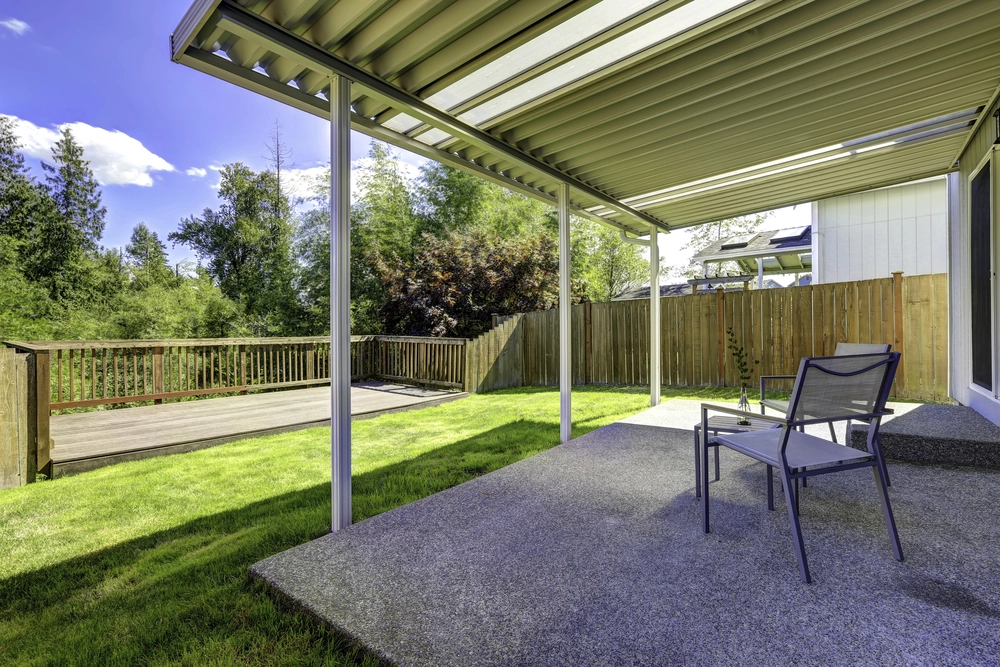
Concrete patio installation gives homeowners a durable, customizable outdoor surface for dining, relaxing, and entertaining. The final result depends on size, site preparation, finish, drainage, color, pattern, and local labor costs.
A well-planned patio can improve daily use of the yard while adding visual appeal and practical value. Homeowners should compare design choices, maintenance needs, and long-term performance before selecting a contractor.
Understanding concrete patio design and cost helps prevent budget surprises and ensures the finished space matches the home, landscape, and intended use for many years with fewer problems.
How Much Does a Concrete Patio Cost to Install?
The cost of a concrete patio depends on square footage, site access, excavation, base preparation, slab thickness, reinforcement, finish, and decorative details. A simple rectangular patio with a broom finish usually costs less than a stamped or colored design.
Small patios may have a higher cost per square foot because delivery, equipment, and crew expenses are spread across less area. Homeowners can also review what determines concrete prices before setting a project budget.
What Should the Estimate Include?
A complete estimate should identify excavation, grading, compacted base material, forms, concrete, reinforcement, joints, finishing, curing, cleanup, and sealing when included.
Homeowners should also ask how soft soil, poor drainage, or unexpected demolition will be priced.
Decorative Features Increase Cost
Color, stamping, borders, exposed aggregate, and complex shapes add labor and material costs. These upgrades can improve appearance, but they should fit the home and the overall budget.
Reliable quotes require an on-site evaluation.
What Are the Most Popular Concrete Patio Designs?
Popular patio designs include simple rectangles, curved layouts, multi-level spaces, stamped surfaces, exposed aggregate, colored concrete, and bordered patterns. The best design depends on the yard, home style, furniture plan, and traffic flow.
A rectangular patio is efficient and works well for dining tables, grills, and seating groups.
Stamped and Textured Designs
Stamped concrete can resemble stone, brick, slate, or tile. It provides a decorative appearance while maintaining a continuous slab.
Exposed aggregate reveals the stone within the concrete and creates a textured surface with strong visual interest.
Functional Layouts
Homeowners often divide patios into separate zones for cooking, dining, and relaxing. A larger patio should still allow comfortable movement between doors, furniture, and the yard.
Curves can soften the landscape, while straight edges often create a cleaner, more formal appearance.
Drainage and furniture placement should guide the design before decorative choices are finalized. Homeowners exploring shape and layout options can also consider why square is not the only shape for concrete patios.
Is Stamped Concrete Better Than Pavers for Patios?
Stamped concrete can be better for homeowners who want a decorative surface with fewer joints and a more uniform appearance. Pavers may be better when easy spot repairs, flexible layouts, or individual unit replacement are important.
Both perform well when installed correctly.
Advantages of Stamped Concrete
Stamped concrete offers many patterns and colors. It can cover large areas efficiently and usually has fewer gaps where weeds may grow.
However, cracks can be more noticeable because repairs may not match the original color or pattern. Homeowners comparing finish options can review stamped concrete versus traditional concrete.
Advantages of Pavers
Pavers can move slightly with the ground and allow individual pieces to be replaced. They also provide many design combinations.
The joints require maintenance, and weeds or ants may become a concern if the base and joint material are not maintained.
The choice should consider appearance, maintenance, repair preferences, budget, and site conditions.
How Long Does a Concrete Patio Last?
A well-installed concrete patio can last decades. Its lifespan depends on soil preparation, drainage, concrete quality, thickness, reinforcement, joints, curing, weather exposure, and maintenance.
Poor installation can shorten service life even when premium materials are used.
Base Preparation Matters
Stable ground and an evenly compacted base are essential. Weak soil or poorly compacted fill can cause settlement and cracking.
The patio should slope enough to move water away from the house without creating runoff problems elsewhere.
Maintenance Supports Longevity
Regular cleaning, joint inspection, and timely concrete crack repair help protect the surface. Sealer may also reduce staining and moisture absorption.
Heavy equipment, tree roots, deicing chemicals, and standing water can accelerate damage.
A realistic expectation is that some minor cracking may occur over time. Proper control joints help manage where shrinkage cracks form. Understanding the common causes and solutions for concrete cracking can help homeowners respond before minor damage becomes more serious.
Can a Concrete Patio Be Customized With Colors and Patterns?
Yes. Concrete patios can be customized with integral color, surface stains, stamped patterns, decorative borders, scoring, exposed aggregate, and contrasting finishes.
Customization can complement siding, brick, roofing, landscaping, and furniture.
Color Options
Integral color is mixed into the concrete before placement, creating color throughout the slab. Surface-applied stains and color hardeners offer additional tones and effects. Professional stained concrete options can create additional depth and variation.
Colors may appear different under sunlight, shade, or sealers. Homeowners should review samples before making a final selection.
Pattern Options
Stamped patterns can imitate natural stone, brick, wood planks, or tile. Saw-cut lines can create simple geometric designs without full stamping.
Borders help define the patio and can separate functional zones.
The strongest designs use a limited color palette and patterns that suit the home. Overly complex combinations may feel dated or difficult to match later.
Does a Patio Require Sealing After Installation?
A concrete patio does not always require sealing, but concrete sealing can provide useful protection. It may reduce water absorption, staining, surface wear, and color fading.
Decorative patios are often sealed because the product enhances color and helps protect the finish.
When Sealing Is Recommended
Sealing is helpful around grills, dining areas, pools, trees, and locations exposed to frequent moisture or stains.
The concrete must cure properly before sealer is applied. Applying it too soon can trap moisture or affect the finish.
Ongoing Maintenance
Sealer does not last forever. Reapplication schedules depend on product type, weather, traffic, and cleaning methods.
Too much sealer can create a glossy or slippery surface. Outdoor areas need a product suited for exterior use and appropriate traction.
Homeowners should ask the contractor which sealer is recommended, how it changes appearance, and how often it should be renewed.
What Is the Best Finish for an Outdoor Concrete Patio?
The best finish balances traction, appearance, maintenance, and budget. A broom finish is one of the most practical choices because it provides texture and is generally affordable.
Stamped, exposed aggregate, salt, trowel, and textured finishes offer different visual and performance qualities. Professional concrete finishing helps create the intended appearance and surface performance.
Broom Finish
A broom finish creates fine lines across the surface. It works well for patios that need dependable traction and simple maintenance.
Exposed Aggregate and Stamped Finishes
Exposed aggregate offers texture and a natural appearance. Stamped concrete provides more decorative flexibility but may require sealing and careful repair.
Smooth troweled surfaces can become slippery outdoors, especially when wet. They are usually less suitable for uncovered patios.
For concrete patio installation in Rock Hill, SC, homeowners should consider rainfall, sun exposure, shade, drainage, and seasonal temperature changes.
The right finish should fit how the space will be used every day.
Key Takeaways
Concrete patios offer durable, flexible outdoor space with many design and finish options. Cost depends on size, access, preparation, reinforcement, color, pattern, sealing, and site conditions.
Popular choices include:
- Broom finishes
- Stamped designs
- Exposed aggregate
- Decorative borders
- Multi-zone layouts
Proper grading, base compaction, joint placement, curing, and drainage are essential for long-term performance.
Sealing may improve stain resistance and protect decorative surfaces, but it requires future maintenance.
Homeowners should choose materials and finishes based on daily use, traction, appearance, climate, and realistic budget expectations for lasting value over many years.
Create an Outdoor Space Built Around Your Home
A successful patio should feel connected to the house, yard, and way the family uses the property. RyanCo Concrete Construction helps homeowners evaluate size, layout, drainage, finish options, color, reinforcement, and long-term maintenance before installation begins.
Start by identifying the main purpose of the patio and the furniture it must support. Then review site conditions and budget limits.
A clear plan helps prevent undersized layouts, poor drainage, and finishes that require more maintenance than expected. Professional preparation creates a stronger foundation for lasting outdoor use. Homeowners ready to discuss their project can contact RyanCo Concrete Construction for an on-site evaluation.
