
A quiet corner in your backyard can do more for your mental health than you’d expect. Small outdoor yoga spaces are popping up everywhere—not because people have more room, but because they’re learning how to use what they’ve got. These compact setups aren’t about having the biggest deck or the fanciest plants. They’re about creating a calm, focused place where your brain can finally take a breath.
Psychology backs it up too—when design is clean, cozy, and intentional, it can instantly lower stress and boost your mood. That’s the real magic of a well-designed small space. It works with your environment, not against it. And when it comes to yoga, peace and purpose beat size every time. Whether it’s a tiny patio, a balcony, or just a patch of grass, turning it into a personal retreat is more doable—and more powerful—than it might seem.
How Do Small Outdoor Yoga Spaces Influence Mental Well-Being?
In a world where distractions are ever-present and stress levels are high, small outdoor yoga spaces provide a sanctuary where mental well-being can flourish. These compact spaces are intentionally designed to promote relaxation, mindfulness, and a deep connection to the present moment.
- Reduced Overwhelm: In large, open environments, the mind often feels overstimulated. Too much space can create a sense of disconnection or distraction, making it harder to focus. Small outdoor yoga spaces, by contrast, have a more enclosed feel, helping individuals feel contained and grounded.
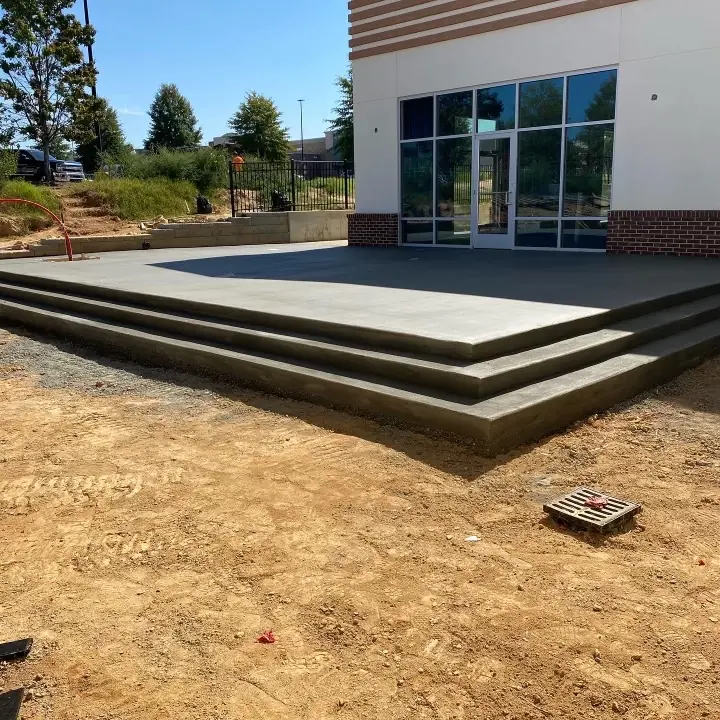
- Encouragement of Mindfulness: Smaller spaces naturally encourage mindfulness and focus. The intimate design of a small outdoor yoga space helps you stay present and engaged with your practice. Using high-quality residential concrete to create a level, dedicated foundation can define these boundaries and make the practice feel more intentional.
- A Natural Sanctuary: Being outdoors in nature has been shown to have numerous psychological benefits, including reduced anxiety, improved mood, and enhanced relaxation. A small outdoor yoga space—whether surrounded by greenery, trees, or even a small water feature—offers an environment that is calming, restorative, and conducive to mental clarity.
What Psychological Benefits Come From Practicing Yoga in Compact Outdoor Designs?
The design of a yoga space—small or large—directly influences the psychological benefits gained from the practice. Small outdoor yoga spaces are unique in how they nurture specific mental health benefits that go beyond simply providing a space to stretch and move.
- A Sense of Safety and Comfort: Small outdoor spaces often feel more private and personal. This sense of safety can foster deeper emotional relaxation. Knowing that you are in a space that feels secluded from the outside world helps create a sanctuary where you can fully let go of the mental clutter and stressors of daily life.
- Heightened Focus: Small spaces naturally foster a sense of intimacy. In a compact yoga space, your movements and breath feel more connected to the environment, making it easier to maintain focus. This is why many homeowners are discovering how small outdoor yoga spaces and the psychology of serenity work together in compact designs.
- Increased Self-Awareness: Practicing yoga in a small, dedicated outdoor space allows you to focus inward without the distractions of a larger setting. It encourages you to listen to your body, check in with your mental state, and cultivate a sense of mindfulness that extends beyond physical practice.
- Connection to Nature: The psychological benefits of being in nature are well-documented, and even in small spaces, this connection can be powerful. The sounds, sights, and smells of nature—whether it’s birdsong, rustling leaves, or the scent of flowers—can help reduce stress and improve mood.
How Does Space Optimization Affect the Serenity of an Outdoor Yoga Area?
In the world of design, the principle of space optimization is all about making the most of what you have—especially when space is limited. When designing a small outdoor yoga space, optimizing the available space becomes critical in creating an environment that maximizes serenity and reduces distractions.
- Maximizing Every Corner: In smaller spaces, every inch matters. Space optimization in a small outdoor yoga area means that the design is thoughtful, with each element serving a specific purpose. For those with limited footprints, enhancing wellness spaces through smart layout choices is essential.
- Creating a Flow of Energy: A well-designed small yoga space allows for the natural flow of energy, or chi. By optimizing the layout and removing unnecessary obstacles, you create an environment that feels harmonious and peaceful.
- Minimizing Distractions: One of the benefits of a compact yoga space is the ability to control the environment. Space optimization helps minimize distractions and focus attention on the practice.
- Efficient Use of Materials: The use of materials is crucial in small spaces. Whether it’s paving stones, decking, or mats, using natural and tactile materials can create a more grounded feeling. Many choose concrete patios as a durable, minimalist base that complements a modern aesthetic while providing a stable surface for balance.
Why Do Small Outdoor Yoga Spaces Create a More Focused and Calming Environment?
There’s something uniquely calming about being in a small, secluded space. While vast open spaces can be impressive and awe-inspiring, they can also contribute to a sense of disconnection or overwhelm. Small outdoor yoga spaces create a more focused, intimate environment that is perfectly suited to yoga’s emphasis on mindfulness and connection.
- Intimacy and Focus: Small spaces naturally foster a sense of intimacy and closeness. There’s less room for the mind to wander or become distracted, which makes it easier to focus on the present moment.
- Psychological Boundaries: The physical boundaries of a small outdoor yoga space create a sense of containment and protection. These boundaries provide a psychological sense of safety, allowing you to let go of worries or distractions.
- Connection to Self: Small spaces are less likely to encourage the overstimulation that often comes with larger, more chaotic environments. In a small outdoor yoga space, you’re not overwhelmed by external stimuli.
- Natural Boundaries: Small outdoor spaces often feature natural boundaries, such as garden walls, fences, or landscaping. These natural boundaries create a feeling of being enclosed and protected. This feeling of being “held” by the environment contributes to the sense of serenity and safety.
Small outdoor yoga spaces may seem modest, but they offer significant psychological benefits that larger spaces simply cannot provide. From fostering a sense of intimacy and focus to enhancing connection with nature, compact yoga areas offer a sanctuary for mental well-being.
Let Us Help You Build Your Calm
Small spaces can have a big impact—especially when they’re built with care and intention. A compact outdoor yoga area isn’t just a trend; it’s a smart way to create calm in the middle of your everyday life. The right layout, solid materials, and peaceful design can turn even the smallest backyard or side patio into a personal retreat.
At RyanCo Concrete Construction, we’re all about making spaces that actually work for you. Whether it’s a smooth concrete pad for your yoga mat or a full backyard makeover, we bring the structure that helps support your peace of mind. We know it’s not just about building—it’s about creating a space where you feel grounded.
Ready to turn that unused corner into something meaningful? Let’s build your calm, one square foot at a time. Reach out to us today and let’s talk about what’s possible.
