
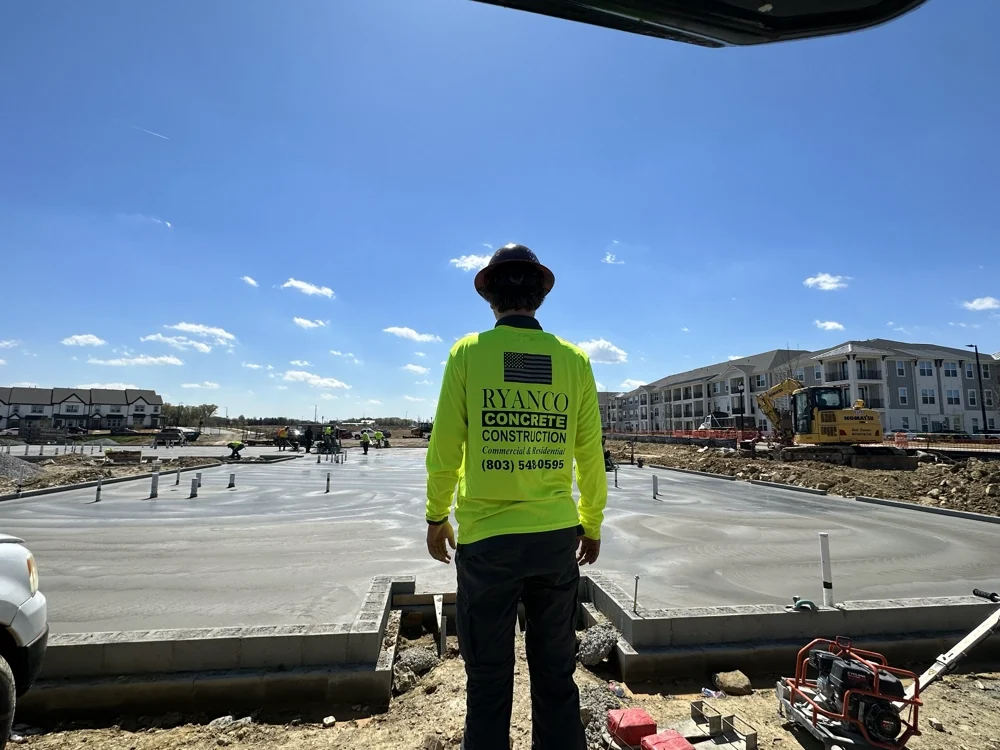
Professional concrete company services typically include project evaluation, site preparation, demolition, debris removal, permitting assistance, installation, and final cleanup. A reputable contractor follows a structured concrete project process designed to improve safety, efficiency, and long-term performance.
Many property owners know they need concrete work completed but are unsure what happens once the project begins. Understanding the steps involved can help eliminate uncertainty and improve communication throughout the project. Knowing what to expect also helps property owners prepare their site, establish realistic timelines, and make informed decisions from the initial consultation through final completion.
What Is the Process of a Concrete Demolition Project?
Concrete demolition is often the first step when replacing damaged driveways, patios, sidewalks, slabs, foundations, or other concrete structures.
Professional contractors follow a systematic approach to ensure the demolition is completed safely and efficiently.
Initial Site Evaluation
Before demolition begins, contractors inspect the existing structure.
This assessment helps determine the concrete thickness, reinforcement type, accessibility, nearby utilities, and potential safety concerns. Understanding these conditions allows the contractor to select the most effective demolition method.
Project Planning
After the evaluation, the contractor develops a plan for the work.
This includes identifying equipment requirements, debris removal procedures, safety precautions, and estimated timelines. Proper planning reduces delays and improves jobsite efficiency.
Utility Identification
One of the most important steps is locating underground utilities.
Water lines, sewer lines, gas lines, electrical systems, and communication cables must be identified before demolition begins. This helps prevent costly damage and safety hazards.
Concrete Removal
Once preparations are complete, the demolition process begins.
Contractors may use jackhammers, skid steers, excavators, hydraulic breakers, or specialized equipment depending on the project’s size and complexity.
Debris Removal and Cleanup
After the concrete is broken apart, debris is loaded and removed from the site.
Professional contractors leave the area clean and ready for the next stage of construction or site preparation.
Final Inspection
Following demolition, the contractor evaluates the site to ensure all required material has been removed and that the area is ready for future work.
This step helps identify any additional grading or preparation requirements before installation begins.
How Do Contractors Prepare the Site Before Work Begins?
Site preparation is one of the most important phases of any concrete project.
Proper preparation creates a stable foundation and helps ensure long-term performance.
Measuring and Layout
Contractors begin by marking project boundaries and confirming dimensions.
Accurate measurements ensure the finished project aligns with design requirements and property specifications.
Excavation and Grading
Depending on the project, soil may need to be excavated to create adequate depth for the concrete installation.
Grading helps establish proper drainage and creates a stable base for construction.
Soil Evaluation
Soil conditions significantly affect concrete performance.
Contractors assess whether the existing soil can adequately support the new structure. Weak or unstable soil may require additional preparation before concrete placement.
Base Material Installation
Many projects require a compacted stone or gravel base.
This layer improves stability, supports drainage, and helps reduce the risk of settlement over time.
Reinforcement Preparation
Reinforcement materials such as rebar, wire mesh, or fiber systems may be installed before concrete placement.
These materials help improve structural integrity and reduce cracking.
Form Construction
Forms establish the shape and dimensions of the finished concrete.
Professional contractors carefully position and secure forms to ensure accurate alignment and consistent thickness throughout the project.
Weather Monitoring
Concrete performance is influenced by weather conditions.
Experienced contractors monitor temperature, rainfall, and humidity to determine the best timing for installation and curing.
Proper preparation is a critical part of the overall concrete project process because it directly affects durability and appearance.
Will There Be Noise and Disruption During Demolition?
Some level of disruption is unavoidable during concrete demolition and installation projects.
However, professional contractors take steps to minimize inconvenience whenever possible.
Equipment Noise
Concrete demolition typically involves heavy equipment and power tools.
Jackhammers, excavators, loaders, and cutting equipment generate noticeable noise while work is being performed.
The level of noise depends on project size, equipment type, and site conditions.
Dust Management
Breaking and removing concrete can create dust.
Professional contractors often use water suppression methods and cleanup procedures to reduce airborne particles and maintain a safer work environment.
Temporary Access Limitations
Driveways, sidewalks, patios, or parking areas may be temporarily inaccessible during construction.
Contractors usually discuss access restrictions before work begins so property owners can make necessary arrangements.
Vehicle and Equipment Activity
Construction equipment and material deliveries may increase activity around the property.
Professional crews coordinate equipment movement carefully to maintain safety and reduce disruptions.
Communication Helps Minimize Concerns
One of the best indicators of quality service is communication.
Experienced contractors explain expected disruptions, provide project updates, and notify property owners about schedule changes or site restrictions.
Neighborhood Considerations
Contractors often work within local noise ordinances and construction regulations.
Understanding these requirements helps minimize disturbances while keeping the project on schedule.
When expectations are clearly communicated, most temporary disruptions become easier to manage and plan around.
How Long Does the Entire Project Usually Take?
Project timelines vary depending on scope, weather, site conditions, permitting requirements, and material availability.
While every project is unique, several factors influence the overall schedule.
Project Size
Small residential projects such as concrete sidewalks or concrete patios may be completed relatively quickly.
Larger projects involving concrete foundations, commercial concrete, or extensive demolition generally require additional time.
Demolition Requirements
If existing concrete must be removed, demolition adds additional steps to the project timeline.
The complexity of the removal process often affects scheduling.
Site Conditions
Unstable soil, drainage concerns, utility conflicts, or difficult site access can increase preparation requirements and extend project duration.
Professional contractors account for these factors during planning.
Weather Delays
Rain, freezing temperatures, excessive heat, and severe weather can impact concrete work.
Contractors may adjust schedules to protect quality and ensure proper curing conditions.
Curing Time
Concrete gains strength over time.
Although surfaces may appear complete shortly after installation, curing continues well beyond the initial placement period. Contractors provide guidance regarding foot traffic and vehicle use during this phase.
Coordination of Multiple Phases
Projects involving demolition, excavation, grading, forming, reinforcement, pouring, finishing, and cleanup require careful coordination.
A structured schedule helps ensure each phase is completed in the proper sequence.
Property owners should expect realistic timelines rather than rushed schedules that compromise quality.
Do Contractors Handle Permits and Inspections?
Permit and inspection requirements depend on project scope, local regulations, and property conditions.
Professional contractors are generally familiar with these requirements and help guide clients through the process.
Understanding Local Requirements
Different jurisdictions have different permitting standards.
Contractors often determine whether permits are required based on project type, location, and construction scope.
Permit Assistance
Many contractors assist with permit applications or coordinate directly with local agencies.
This helps streamline the process and reduces administrative burdens for property owners.
Inspection Coordination
Certain projects may require inspections during various stages of construction.
Professional contractors understand scheduling requirements and coordinate inspections when necessary.
Code Compliance
Building codes help ensure safety and structural integrity.
Contractors follow applicable requirements regarding dimensions, reinforcement, drainage, accessibility, and other project-specific standards.
Documentation Management
Permits, inspection reports, and project records are important for future property transactions and maintenance planning.
Experienced contractors help maintain proper documentation throughout the project.
For property owners searching for a dependable concrete company, understanding permit responsibilities can help avoid delays and unexpected complications.
Partner With Professionals Who Value Planning
At Ryanco Concrete Construction, clear planning, professional communication, and careful preparation are part of delivering a better project experience.
Successful outcomes often begin with clear expectations and careful preparation. Whether planning residential concrete work, commercial flatwork, concrete repair, or demolition, projects involving significant investments benefit from clear communication, detailed planning, and accountability from all parties involved. These principles help create smoother experiences and stronger results for property owners and businesses alike.
Final Thoughts
Professional concrete company services involve far more than simply pouring concrete. From demolition and site preparation to permitting, inspections, installation, and cleanup, each phase follows a structured concrete project process designed to promote safety, durability, and efficiency.
Understanding what to expect helps property owners prepare for temporary disruptions, establish realistic timelines, and communicate effectively with contractors. A professional company provides transparency, planning, and quality workmanship throughout every stage of the project. These qualities contribute to stronger results, better project experiences, and long-term value for the property.
