
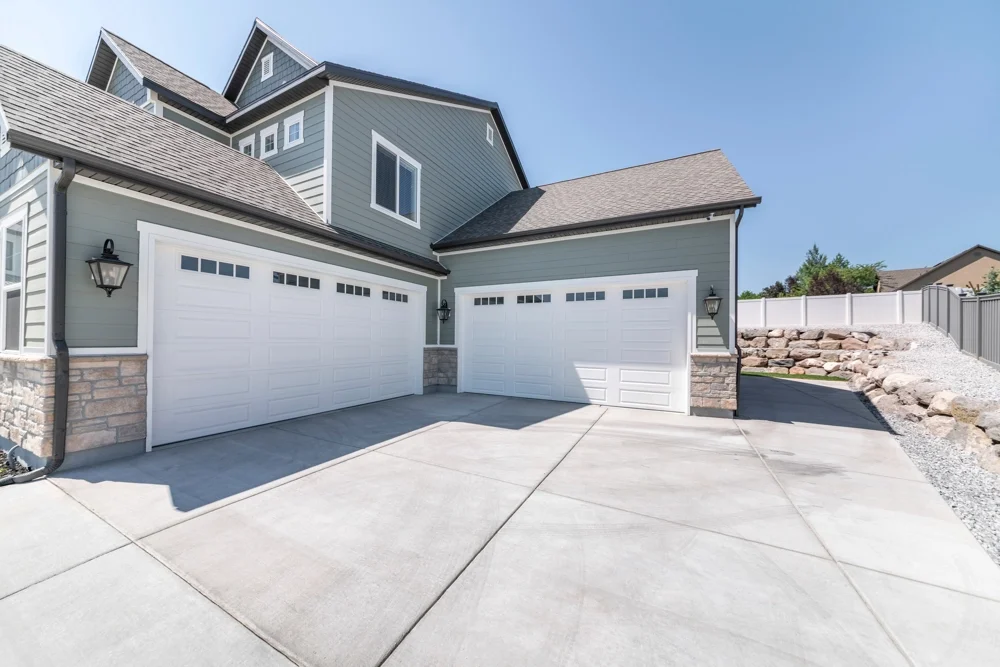
A concrete driveway should be planned around soil conditions, drainage, vehicle loads, reinforcement, and local requirements before work begins.
Hiring the right contractor matters because poor preparation or weak installation can lead to cracking, settling, drainage problems, and costly concrete repairs. Homeowners should compare written estimates, verify experience, review material specifications, and ask how the base, forms, joints, and curing process will be handled.
A well-built driveway depends on more than fresh concrete. It requires proper design, careful site preparation, skilled placement, and realistic expectations about maintenance needs and long-term performance.
What Should I Ask a Concrete Contractor Before Hiring?
Ask about experience, insurance, references, supervision, and installation. The contractor should explain grading, slab thickness, and base materials.
Request a written estimate separating preparation, concrete, reinforcement, finishing, and cleanup.
Questions About Preparation and Materials
Ask what base material will be used and how deeply it will be compacted. A strong base helps reduce settlement and supports even loads.
Confirm the concrete strength, slab thickness, reinforcement method, joint spacing, finish, and curing process. These details should appear in the agreement.
Ask how drainage will move water away from structures and neighboring property.
Questions About Scheduling and Protection
Ask who will manage the crew and how weather delays will be handled. Confirm how long you must wait before walking or driving on the new surface.
The contractor should explain how nearby property will be protected during construction.
How Do I Choose the Best Concrete Driveway Contractor?
Choose a contractor with proven concrete driveway experience, clear communication, and detailed written specifications. A company that mainly handles small repairs may not have the equipment or crew needed for a larger installation.
Review older projects. They show how well the contractor controls cracking, drainage, and settlement.
Compare Equal Proposals
Do not compare estimates by total price alone. One contractor may include excavation, compacted stone, thicker concrete, reinforcement, and cleanup, while another may exclude these items.
Ask each contractor to explain quantities, labor, warranties, and change orders.
Check references and ask whether the crew arrived on schedule, kept the site organized, and completed the work as promised.
A dependable contractor should answer technical questions directly and avoid vague promises about concrete never cracking. Understanding common concrete company red flags can also help homeowners evaluate proposals more carefully.
Do I Need Permits for a New Concrete Driveway?
Permit requirements depend on the location, driveway size, property access, drainage, and whether the work affects a public sidewalk, curb, or road.
Some projects require a building permit, zoning approval, right-of-way permit, or driveway access permit. Homeowner associations may also require design approval.
Confirm Responsibility Before Work Starts
Ask the contractor who will obtain permits and schedule inspections. This responsibility should be written into the contract.
Permit review may cover setback rules, drainage, apron dimensions, culvert requirements, and connection to the street.
Skipping required approvals can result in fines, delays, or removal of completed work.
Confirm underground utilities before excavation to protect workers and prevent damage.
What Thickness Should a Concrete Driveway Be?
A residential driveway is commonly designed at about four inches thick for passenger vehicles, but heavier loads may require greater thickness.
Driveways used by large trucks, recreational vehicles, trailers, or service vehicles may need five or six inches, depending on soil and design conditions.
Thickness Must Be Consistent
Thin areas create weak points that may crack under load. Forms and grading should maintain the specified depth across the entire driveway.
The base beneath the slab also matters. Weak soil or poorly compacted fill can cause movement even when the concrete is thick.
Edges may be thickened where vehicles enter, turn, or repeatedly cross the slab. A contractor should evaluate traffic patterns before recommending the final design.
Concrete strength, reinforcement, joint placement, and curing must work together with thickness. Increasing only one factor does not correct poor preparation.
How Much Does Driveway Installation Cost per Square Foot?
Cost per square foot varies by location, driveway size, access, demolition, excavation, base work, thickness, reinforcement, finish, and drainage requirements.
A simple rectangular driveway on a prepared site usually costs less per square foot than a curved design with removal, grading, decorative finishes, or difficult access.
What the Estimate Should Include
The quote should identify demolition, hauling, excavation, stone base, compaction, forms, concrete, reinforcement, finishing, joints, curing, and cleanup.
Optional work such as widening, drainage channels, retaining edges, staining, stamping, or sealing should be listed separately. Homeowners considering more parking space should also review the scope of a driveway widening or extension before comparing prices.
Small projects may have a higher square-foot price because equipment, delivery, and crew costs are spread across less area.
Ask how unexpected soft soil, buried debris, or additional base material will be priced. Written unit costs help prevent surprise charges.
A fair estimate should match the site conditions and construction details, not just the driveway dimensions. Reviewing the factors that determine concrete prices can make proposal comparisons more accurate.
Should a Concrete Driveway Be Reinforced With Rebar?
Rebar may be appropriate when the driveway will carry heavier loads, the soil is unstable, or the slab design requires additional structural support.
It helps hold cracked sections together and can improve load distribution. However, reinforcement does not prevent all cracking.
Rebar Versus Wire Mesh
Wire mesh is commonly used in residential slabs, but it must be positioned within the concrete rather than left on the ground.
Rebar provides stronger reinforcement and is often installed in a grid. The spacing and bar size should match the design.
Fiber reinforcement can also be added to the concrete mix to help control small shrinkage cracks. It is not always a substitute for steel reinforcement.
The contractor should explain why a specific method is recommended based on thickness, soil, traffic, and local practices.
Proper base preparation, joint placement, and curing remain essential even when reinforcement is included.
How Can I Avoid Driveway Installation Mistakes?
Avoid mistakes by reviewing the full plan before excavation begins. Confirm dimensions, slope, thickness, reinforcement, finish, joints, drainage, and connection points.
Do not allow work to proceed with unclear specifications or verbal changes.
Watch the Base and Drainage
The soil should be evaluated, unsuitable material removed, and the base compacted in layers. Poor compaction is a common cause of settlement.
The driveway should slope enough to drain without directing water toward the house, garage, or neighboring property.
Plan Joints and Curing
Control joints help manage where shrinkage cracks form. They should be spaced correctly and cut or formed at the proper time.
Curing is equally important. Concrete needs moisture and time to develop strength. Driving on it too early can damage the surface.
Avoid applying deicing chemicals during the first winter unless the contractor recommends otherwise.
Keep heavy vehicles off the new slab until the concrete has gained adequate strength.
Understanding the structural consequences of poor concrete installation can help homeowners recognize why preparation and curing should never be rushed.
Key Takeaways
A successful concrete driveway depends on proper planning, site preparation, thickness, reinforcement, drainage, joint placement, and curing. Homeowners should compare detailed written estimates and ask contractors about experience, insurance, materials, permits, schedules, and warranties.
The lowest bid may exclude important work such as excavation, base compaction, reinforcement, or cleanup. Four inches may suit standard passenger vehicles, while heavier loads can require more. Rebar, mesh, or fibers may improve performance when used correctly.
Careful contractor selection and clear specifications help reduce cracking, settlement, water problems, and unexpected project expenses and costs.
Build a Driveway That Performs for Years
A concrete driveway should support daily use, direct water properly, and fit the property without creating avoidable maintenance problems. RyanCo Concrete Construction helps homeowners evaluate layout, thickness, reinforcement, finish options, and site preparation before installation begins.
A detailed plan makes it easier to compare estimates and understand what each contractor is providing.
