
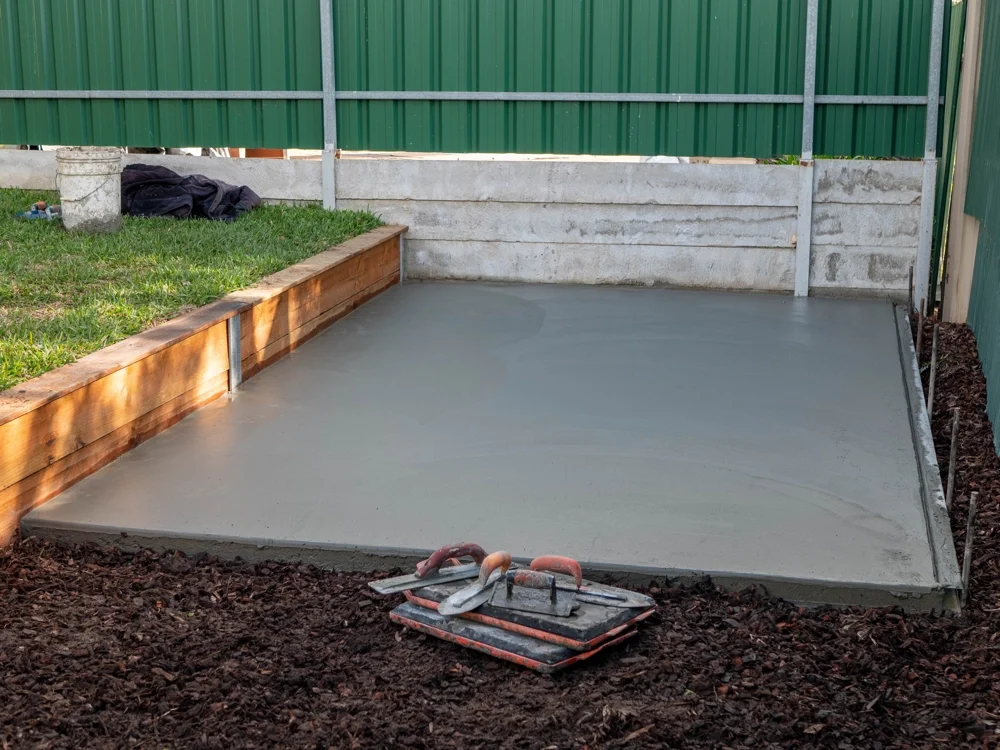
If you’re planning a new driveway, patio, or foundation, understanding the process can make a big difference. So, what exactly goes into installing a concrete slab?
In simple terms, the concrete slab installation process involves preparing the ground, setting up forms, pouring the concrete, and allowing it to cure properly. While it may sound straightforward, each step plays a critical role in the final result. A well-executed concrete slab process ensures durability, structural integrity, and long-term performance.
In this guide, we’ll walk you through everything you need to know about how to install a concrete slab in Rock Hill, SC, so you can feel confident about your project from start to finish.
What are The Steps in Pouring a Concrete Slab?
The actual pouring of a concrete slab is just one part of a larger process, but it’s where everything comes together.
Step 1: Site Layout and Planning
Before anything begins, contractors measure and mark the area where the slab will be installed. This ensures proper dimensions and alignment.
Step 2: Formwork Installation
Wood or metal forms are set up around the perimeter. These forms hold the concrete in place and define the slab’s shape.
Step 3: Base Preparation
A stable base is created using compacted soil and gravel. This step is essential for preventing future shifting.
Step 4: Reinforcement Placement
Steel rebar or wire mesh is added to strengthen the slab and reduce the risk of cracking.
Step 5: Pouring the Concrete
Concrete is poured into the forms and spread evenly. Workers use tools to level the surface and remove air pockets.
Step 6: Finishing the Surface
The surface is smoothed, textured, or patterned depending on the desired finish. Professional concrete finishing services ensure a high-quality appearance and durability.
Step 7: Curing
The concrete is left to cure over several days, allowing it to gain strength and durability.
Each step in the concrete slab installation process must be handled carefully to ensure a long-lasting result. For more insights, explore what to expect from your contractor.
How is The Ground Prepared Before Pouring Concrete?
Ground preparation is one of the most critical stages in the entire concrete slab process in Rock Hill, SC.
Clearing the Area
The first step is removing:
- Grass and vegetation
- Rocks and debris
- Old structures or materials
This creates a clean surface to work with.
Excavation
The area is dug to the required depth, depending on the slab’s purpose. This ensures enough space for the base and concrete.
Grading and Leveling
The ground is leveled to provide a stable foundation. Proper grading also helps with drainage, preventing water from pooling under the slab.
Soil Compaction
Compacting the soil reduces air pockets and increases stability. This step is crucial for preventing future settling.
As noted by Adam Hicks of CooperBuild, an experienced general contractor in New York City, proper preparation is key to long-lasting results.
Adding a Base Layer
A layer of gravel or crushed stone is added and compacted. This improves drainage and supports the slab.
Professionals who specialize in how to install a concrete slab in Rock Hill, SC understand local soil conditions and adjust preparation methods accordingly.
What Materials are Used in a Concrete Slab?
A strong and durable slab depends on the right combination of materials.
Concrete Mix
The primary material is, of course, concrete. It’s made from:
- Cement
- Sand
- Gravel or aggregate
- Water
The mix ratio can vary depending on the project requirements.
Reinforcement Materials
To increase strength, contractors use:
- Steel rebar
- Wire mesh
These materials help prevent cracking and improve load-bearing capacity. Learn more about cracking causes and solutions.
Base Materials
The foundation layer typically includes:
- Crushed stone
- Gravel
This supports the slab and improves drainage.
Formwork Materials
Forms are usually made from:
- Wood
- Metal
They shape the slab and hold the concrete in place during pouring.
Additional Components
Depending on the project, other materials may be used, such as:
- Vapor barriers
- Sealants
- Admixtures to enhance performance
Using high-quality materials is essential for a successful concrete slab installation in Rock Hill, SC.
How Thick Should a Concrete Slab Be?
The thickness of a slab depends on its intended use.
Standard Thickness for Residential Projects
For most residential applications:
- 4 inches is standard for patios and walkways
- 4–6 inches for driveways
If you’re planning outdoor upgrades, explore options for concrete patios and concrete driveways.
Heavier Load Requirements
For areas that support heavier loads, such as:
- RV parking
- Garages
- Commercial spaces
A thickness of 6 inches or more may be required.
Factors That Influence Thickness
- Soil conditions
- Expected weight load
- Climate and weather patterns
Contractors experienced in the concrete slab process will recommend the appropriate thickness for your specific project.
Why Thickness Matters
A slab that’s too thin can crack under pressure, while an overly thick slab may increase costs unnecessarily. Finding the right balance is key when planning how to install a concrete slab Rock Hill SC.
How Long Does Slab Installation Take From Start To Finish?
The timeline for concrete slab installation can vary depending on the size and complexity of the project.
Typical Timeline Breakdown
Day 1–2: Site Preparation
Clearing, excavation, and base preparation usually take one to two days.
Day 2–3: Formwork and Reinforcement
Setting up forms and placing reinforcement materials typically takes another day.
Day 3–4: Pouring and Finishing
The actual pouring and finishing of the concrete is usually completed in a single day.
Curing Period: 7 Days or More
Concrete begins to harden within 24–48 hours, but full curing takes about 7 days or longer for optimal strength.
Factors That Affect Timing
- Weather conditions
- Project size
- Accessibility of the site
Understanding the full timeline helps set realistic expectations for your concrete slab process.
What Mistakes Should Be Avoided During Installation?
Avoiding common mistakes is essential for a successful project.
Poor Site Preparation
Skipping or rushing ground preparation can lead to:
- Cracks
- Uneven surfaces
- Structural failure
Incorrect Concrete Mix
Using the wrong mix ratio can weaken the slab and reduce durability.
Inadequate Reinforcement
Failing to include proper reinforcement increases the risk of cracking under stress.
Improper Curing
Not allowing enough time for curing can compromise the strength of the concrete.
Ignoring Drainage
Poor drainage can cause water buildup, leading to erosion and damage over time.
Lack of Professional Expertise
Trying to handle complex projects without professional help can result in costly mistakes. Hiring experts in how to choose the right concrete contractor in Rock Hill, SC ensures everything is done correctly.
Conclusion
Installing a concrete slab takes more than simply pouring concrete into place. Every step, from clearing and leveling the ground to adding reinforcement, pouring, finishing, and curing, affects how strong and long-lasting the slab will be. Proper preparation helps prevent cracking, settling, drainage problems, and other costly issues down the road.
Whether the slab is for a patio, driveway, garage, or foundation, understanding the process helps you know what to expect and why professional installation matters for a smooth, durable, and reliable final result.
Build a Strong Foundation With Concrete Slab in Rock Hill, SC
A successful concrete slab installation in Rock Hill, SC starts with understanding the process and working with a team that knows how to get it right. From proper ground preparation to precise pouring and finishing, every step in the concrete slab process matters.
At RyanCo Concrete Construction, we bring experience, precision, and attention to detail to every project. Whether you’re planning a new patio, driveway, or foundation, our team specializes in how to install a concrete slab with results that are built to last. For project inquiries, visit our contact page.
