
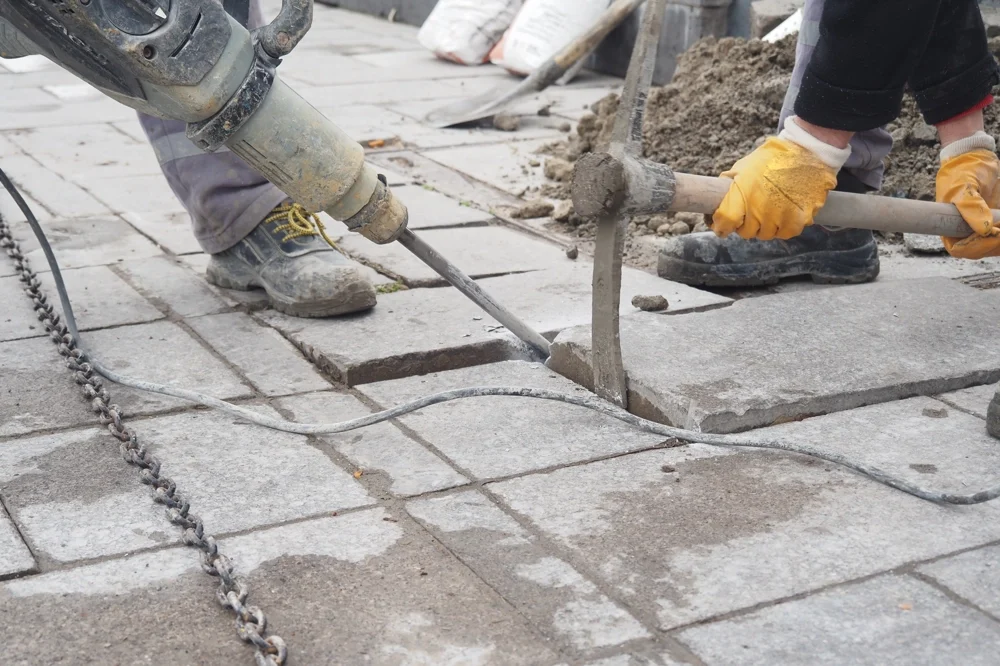
The timeline for residential concrete demolition depends on the size of the structure, concrete thickness, reinforcement materials, equipment access, and cleanup requirements. Smaller residential projects may be completed within hours, while larger or reinforced structures can require multiple days to remove safely and efficiently.
Homeowners often underestimate how much planning and labor concrete demolition involves. Understanding the typical concrete demolition timeline helps property owners prepare for project scheduling, debris removal, and future construction work.
How Many Hours Does It Take to Remove a Concrete Driveway?
Concrete driveway demolition timelines vary depending on driveway size, thickness, and site accessibility.
Small Driveways May Be Removed Quickly
A standard single-car driveway often takes several hours to demolish and remove under normal conditions.
Projects with easy equipment access and minimal reinforcement usually move faster.
Larger Driveways Require More Time
Two-car and extended driveways may require a full workday or longer.
Demolition crews must:
- Break apart the concrete
- Load debris
- Haul materials away
- Prepare the surface for future work
Larger surface areas increase labor and equipment time significantly.
Reinforced Driveways Slow the Process
Driveways reinforced with steel rebar or wire mesh take longer to break apart and separate during removal.
Additional cutting and specialized equipment may be necessary.
Equipment Availability Affects Speed
Heavy machinery such as skid steers, excavators, and jackhammers improves efficiency.
Limited access areas may force crews to rely on more manual labor, extending project duration.
Professional residential concrete demolition in Rock Hill, SC often includes both demolition and debris hauling within the same scheduled project timeline.
Can a Concrete Patio Be Demolished in One Day?
Many residential patios can be demolished within a single day, but project complexity still matters.
Smaller Patios Are Often Same-Day Projects
Simple backyard patios without reinforcement are commonly completed within several hours.
The process usually includes:
- Concrete breaking
- Material loading
- Surface cleanup
- Debris removal
This allows homeowners to prepare quickly for replacement construction.
Patio Thickness Influences Demolition Time
Thin patio slabs generally break apart more easily than structural concrete surfaces.
Heavier slabs may require larger demolition equipment.
Access Conditions Matter
Patios located in fenced yards or narrow spaces may slow equipment movement.
Limited access often increases labor requirements and project duration.
Landscaping and Utilities Require Caution
Nearby landscaping, irrigation systems, and underground utility lines may require slower demolition methods to prevent damage.
Careful planning helps protect surrounding property features.
Weather Conditions Can Delay Work
Rain, excessive mud, or severe weather conditions may temporarily delay demolition progress or debris hauling operations.
Scheduling flexibility helps accommodate weather-related interruptions.
A typical concrete demolition timeline for residential patios remains relatively short when conditions allow efficient equipment access. Homeowners planning a replacement project may also benefit from learning more about concrete patios and future installation requirements.
What Factors Affect How Long Demolition Takes?
Several project-specific conditions influence residential concrete demolition schedules.
Size of the Concrete Structure
Larger driveways, patios, sidewalks, and slabs naturally require more demolition time.
Bigger projects create more debris and increase hauling requirements.
Concrete Thickness
Thicker concrete requires greater force and more equipment time to break apart.
Structural slabs and reinforced foundations often demand heavier machinery.
Reinforcement Materials
Concrete containing rebar, wire mesh, or fiber reinforcement takes longer to remove because crews must separate steel materials during demolition.
Equipment Access
Easy access for demolition equipment significantly improves efficiency.
Projects become slower when crews must work around:
- Narrow gates
- Retaining walls
- Landscaping
- Limited parking access
Restricted access often increases manual labor.
Underground Utilities
Water lines, gas lines, electrical systems, and irrigation components require careful location before demolition begins.
Protecting utilities may slow excavation and removal procedures.
Disposal and Hauling Logistics
Debris hauling affects total project time.
Factors that influence disposal schedules include:
- Dumpster availability
- Hauling distance
- Disposal site access
- Local dumping regulations
Efficient debris management helps reduce delays.
Permit Requirements
Certain municipalities require permits before demolition begins.
Permit approval timelines may affect project scheduling before physical work starts.
Professional planning helps ensure smoother residential concrete demolition operations and fewer unexpected delays.
Does Thicker Concrete Take Longer to Remove?
Yes, thicker concrete generally requires more time, labor, and equipment to demolish safely.
Thin Residential Slabs Break Faster
Basic concrete sidewalks and patios often measure around four inches thick and break relatively easily with standard demolition equipment.
These projects usually progress quickly.
Structural Concrete Requires Heavier Equipment
Garage floors, reinforced driveways, and structural foundations may exceed six inches in thickness.
Thicker slabs often require:
- Hydraulic breakers
- Excavators
- Concrete saws
- Extended labor time
More powerful equipment increases project complexity.
Reinforcement Complicates Removal
Thicker slabs frequently contain heavy steel reinforcement that slows debris separation and loading.
Steel cutting tools may become necessary during demolition.
Dense Concrete Mixtures Affect Speed
Older or high-strength concrete mixtures sometimes resist breaking more than standard residential concrete.
This may increase equipment wear and labor time.
Safety Procedures Become More Important
Thicker concrete removal generates larger debris pieces and heavier materials.
Crews must follow additional safety precautions during demolition and hauling.
Understanding slab thickness helps contractors estimate a more accurate concrete demolition timeline before work begins.
How Long Does Cleanup Take After Demolition?
Cleanup and debris removal are essential parts of the demolition process.
Smaller Projects May Be Cleaned Quickly
Basic patio or sidewalk demolition cleanup may only require several hours after concrete removal finishes.
This often includes:
- Debris loading
- Surface sweeping
- Minor grading
- Site preparation
Larger Projects Require More Hauling
Driveways, foundations, and reinforced slabs generate large volumes of debris.
Multiple hauling trips may be necessary depending on project size.
Recycling Concrete May Add Time
Some contractors transport demolished concrete to recycling facilities rather than disposal landfills.
This environmentally responsible process may slightly affect hauling logistics.
Final Surface Preparation Matters
Cleanup may also involve preparing the site for future work such as:
- New concrete driveway installation
- Landscaping
- Drainage improvements
- Foundation preparation
Proper grading helps support the next construction phase.
Weather Conditions Affect Cleanup
Rain or muddy conditions may slow hauling equipment and extend cleanup timelines temporarily.
Dry conditions usually improve project efficiency.
Thorough Cleanup Improves Safety
Professional cleanup reduces hazards caused by:
- Sharp debris
- Uneven surfaces
- Loose concrete fragments
- Exposed reinforcement materials
A properly cleaned site allows safer access for homeowners and contractors.
Professional residential concrete demolition in Rock Hill, SC often includes complete cleanup and debris hauling as part of the project scope.
Additional Considerations Before Starting Concrete Demolition
Preparation before demolition helps improve project efficiency and reduce complications.
Utility Location Is Essential
Contractors should verify underground utility locations before breaking concrete.
Damaging buried lines may create safety hazards and expensive repairs.
Property Access Should Be Cleared
Removing vehicles, outdoor furniture, and obstacles helps crews move equipment safely and efficiently.
Noise and Dust Should Be Expected
Concrete demolition generates noise, dust, and vibration during active work periods.
Homeowners should prepare nearby occupants accordingly.
Professional Contractors Improve Efficiency
Experienced demolition crews understand equipment selection, safety procedures, and disposal regulations.
Professional planning often shortens project timelines and reduces unexpected problems. Working with an experienced concrete contractor can help streamline both demolition and replacement projects.
Replacement Planning Helps Scheduling
Many homeowners schedule demolition alongside replacement projects such as:
- New driveways
- Patio upgrades
- Foundation repairs
- Outdoor living improvements
Coordinated scheduling improves overall construction efficiency.
Key Takeaways
The concrete demolition timeline for residential projects depends on slab size, thickness, reinforcement, access conditions, and cleanup requirements. Smaller patios and sidewalks may be completed in one day, while reinforced driveways and structural slabs often require additional time. Professional planning, equipment access, and debris removal all influence efficient residential concrete demolition scheduling.
Plan Your Concrete Removal With Fewer Surprises
At RyanCo Concrete Construction, we provide dependable demolition services designed to keep residential projects organized, safe, and efficient from start to finish. We understand that homeowners want accurate scheduling, professional cleanup, and minimal disruption during concrete removal work.
Whether you need driveway removal, patio demolition, or complete residential concrete demolition in Rock Hill, SC, our team is committed to delivering experienced workmanship, reliable project coordination, and efficient solutions that prepare your property for the next phase of construction. For project questions or scheduling assistance, please contact our team.
