
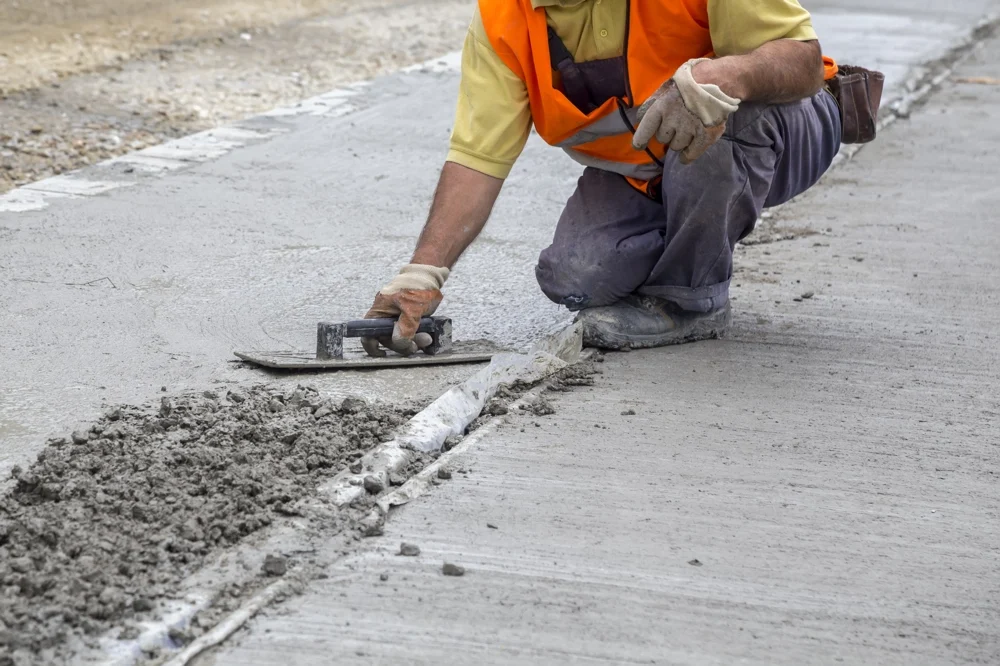
Professional concrete repair addresses cracking, sinking, spalling, surface wear, and other damage before it spreads or creates safety concerns. The right repair depends on the cause and condition of the concrete.
Some problems can be corrected through lifting, sealing, patching, or resurfacing, while severely damaged slabs may require replacement. Homeowners should avoid temporary fixes that hide deeper movement or drainage problems.
A proper evaluation helps identify effective concrete repair solutions that improve safety, appearance, durability, drainage, and long-term performance throughout the property while reducing avoidable future repair expenses overall today.
What Are The Most Common Concrete Repair Issues?
Common repair problems include cracks, uneven slabs, scaling, spalling, crumbling edges, discoloration, and drainage damage.
Cracks And Joint Damage
Small shrinkage cracks may develop as concrete cures. Wider cracks can indicate settlement, soil movement, poor joint placement, heavy loads, or structural stress.
Damaged joints allow water and debris to enter. This can increase movement and weaken slab edges. Learn more about the causes in Cracking in Concrete: Causes and Solutions.
Surface Deterioration
Scaling and spalling occur when the surface flakes, chips, or breaks away. Causes include moisture, deicing chemicals, weak finishing, and poor curing.
Crumbling edges often appear near concrete driveways, steps, and walkways where impacts or repeated vehicle loads are common.
Uneven And Sunken Areas
Settled slabs can create trip hazards and drainage problems.
Can Uneven Concrete Be Repaired Without Replacement?
Yes. Uneven concrete can often be repaired without full replacement when the slab remains structurally sound. Lifting methods may restore the slab closer to its original position and improve drainage.
Slab Lifting Options
Mudjacking uses a cement-based mixture injected beneath the slab. The material fills voids and raises the concrete.
Polyurethane foam lifting uses an expanding material that flows into empty spaces and lifts the slab. It requires smaller injection holes and usually cures quickly.
Grinding may correct minor height differences at joints. It can reduce a trip edge without lifting the slab.
When Replacement Is Better
Replacement may be necessary when the slab has widespread cracking, severe deterioration, unstable reinforcement, or repeated movement.
Repairing a weak slab may only delay failure. A contractor should compare lifting and replacement costs before recommending a method. Homeowners comparing both options may also find Is It Better to Repair or Replace a Concrete Driveway? helpful.
How Do Professionals Repair Cracked Concrete?
Professionals begin by identifying whether the crack is active, stable, structural, or cosmetic. Its width, depth, direction, and movement guide the repair method.
Cleaning the crack is essential because dust, moisture, and loose material can prevent proper bonding.
Sealing And Filling
Narrow, nonstructural cracks may be sealed with flexible products that limit water entry. Rigid repair materials may be used when movement is not expected.
Wider cracks may require routing, cleaning, and filling with a suitable repair compound.
Structural Crack Repair
Some structural cracks require epoxy injection, reinforcement, stitching, or partial replacement.
Simply covering a crack does not stop settlement, root pressure, or drainage problems. The underlying condition must also be addressed. For additional repair methods, see Repairing Cracks in Concrete: From Small Gaps to Major Slab Damage.
Color matching can be difficult because repaired material may cure differently from older concrete.
What Causes Concrete To Sink Or Settle?
Concrete sinks when the soil or base beneath it can no longer support the slab evenly. Common causes include voids, erosion, poor compaction, and moisture changes.
Water is often involved. Downspouts, poor grading, plumbing leaks, and runoff can wash soil away.
Weak Or Improperly Compacted Soil
New fill should be compacted in layers before concrete is placed. Loose soil may compress over time and cause settlement.
Clay soils can expand when wet and shrink when dry. This movement may create uneven support beneath the slab.
Drainage And Erosion Problems
Water flowing beneath concrete can remove fine soil particles and create empty spaces.
Tree roots, buried debris, old utility trenches, and animal activity may also affect support. You can learn more in Erosion in Concrete: Identifying and Addressing the Issue.
A lasting repair should address the slab and the soil movement. Otherwise, settlement may return.
How Much Does Professional Concrete Repair Cost?
Repair cost depends on the damage type, slab size, access, materials, labor, and method required. Small crack repairs cost less than lifting a large driveway or replacing damaged sections.
Limited access, utilities, drainage work, and preparation can increase cost.
Factors That Affect Pricing
Contractors consider crack length, thickness, settlement, surface condition, and repair area.
Mudjacking and foam lifting have different material and equipment costs. Resurfacing prices depend on preparation, thickness, finish, and decorative options.
Compare Complete Estimates
A written estimate should explain preparation, materials, repair method, cleanup, curing time, and warranty terms.
A low quote may exclude drainage corrections or preparation. Homeowners should compare scope, not only total price.
For professional concrete repair in Rock Hill, SC, local soil conditions, weather exposure, and property drainage should be part of the evaluation.
Is Concrete Resurfacing A Long-term Solution?
Concrete resurfacing can be a long-term solution when the existing slab is stable and the damage is mainly at the surface. It can restore appearance and cover minor imperfections.
Resurfacing does not correct major settlement, deep structural cracks, or unstable concrete.
Surface Preparation Determines Success
The slab must be cleaned thoroughly. Loose material, coatings, oil, dirt, and failing concrete must be removed.
Cracks should be repaired before the overlay is applied.
A poorly prepared slab can cause the new surface to peel, crack, or separate.
Maintenance And Conditions Matter
A resurfaced slab may need sealing and cleaning. Heavy loads, standing water, and continued soil movement can shorten its life.
It works best on a sound slab.
When Should I Call A Concrete Repair Contractor?
Call a contractor when cracks widen, slabs sink, steps become uneven, or water collects where it should drain. Early evaluation can prevent larger safety or structural problems.
Trip hazards near entrances, concrete sidewalks, patios, and driveways should be addressed promptly.
Warning Signs That Need Professional Review
Contact a contractor when cracks continue growing, doors begin sticking near slabs, or gaps appear between concrete and buildings.
Exposed reinforcement, severe spalling, crumbling edges, and loose sections also need attention.
Water entering a basement or garage near damaged concrete may indicate drainage or settlement problems.
Avoid Repeated Temporary Repairs
Retail patching products may help with small surface defects. They are less effective when movement, moisture, or structural stress continues.
A professional can determine whether sealing, lifting, resurfacing, reinforcement, or replacement is appropriate.
Key Takeaways
Concrete repair can address cracks, settlement, spalling, surface wear, and drainage-related damage when the correct method is matched to the cause. Uneven slabs may be lifted, while stable surfaces may qualify for patching or resurfacing. Severe deterioration or repeated movement may require replacement.
Cost depends on damage, access, materials, preparation, and repair method. Homeowners should seek professional evaluation when cracks grow, slabs sink, water collects, or trip hazards appear.
Effective repairs improve safety and appearance by correcting both visible damage and underlying conditions that could cause problems to return again.
Restore Safe, Reliable Concrete With A Clear Plan
Concrete damage should be repaired with the cause in mind, not only the visible symptom. RyanCo Concrete Construction helps homeowners evaluate cracks, settlement, surface deterioration, drainage concerns, and repair options based on the condition of the slab.
A clear assessment helps compare methods, costs, and service life. Professional planning helps restore safety, appearance, and function while reducing the chance that the same problem returns. To discuss your project or schedule an evaluation, contact our team.
