
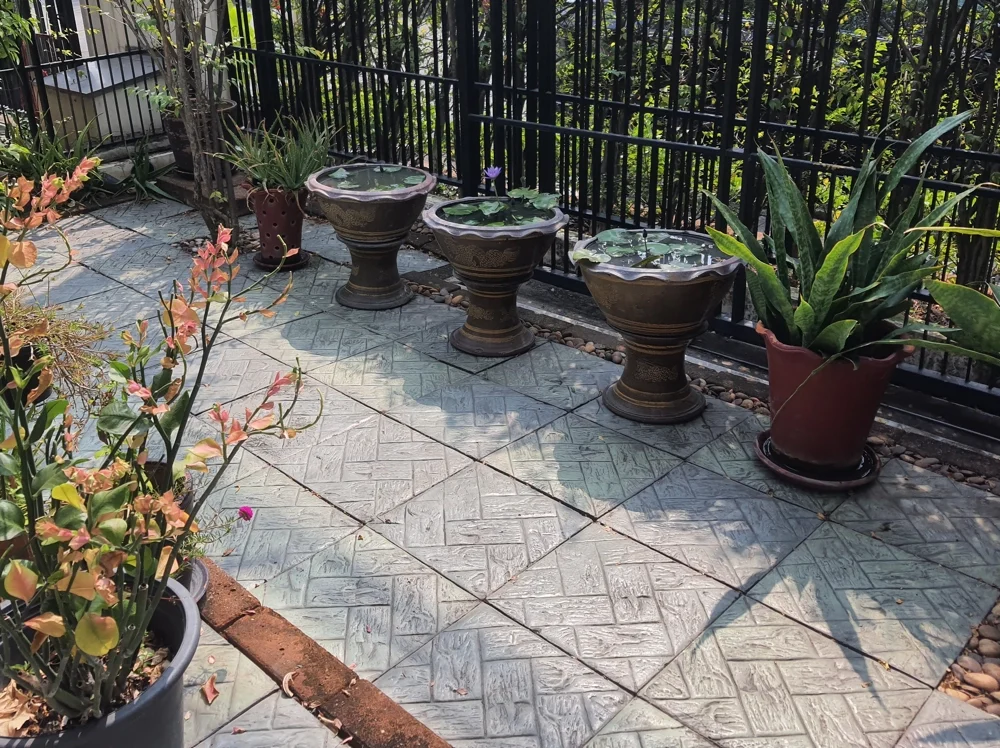
Stamped concrete is having a moment again, and not in a quiet, background way. Once associated with suburban patios and utilitarian walkways, it is now showing up in bold architectural statements, refined commercial spaces, and thoughtfully designed homes. Architects and designers are rediscovering its flexibility, durability, and creative potential.
This comeback is not about nostalgia. It is about using a familiar material in smarter, more expressive ways that align with how people live and build today. Stamped concrete has stepped back into the spotlight, and this time it is bringing confidence with it.
Why is stamped concrete gaining renewed attention in contemporary architecture?
Architecture tends to circle back to materials that prove themselves over time. Stamped concrete is one of those materials. What is driving the renewed attention is a mix of practical needs and cultural shifts in how we value design.
First, there is the push for materials that balance aesthetics with performance. Clients want surfaces that look good but also hold up to heavy use, weather, and time. Stamped concrete checks that box. It offers the look of stone, brick, or wood without the same level of upkeep or cost.
Second, sustainability conversations are shaping design choices. Stamped concrete can be poured locally, reducing transportation impacts. It often lasts longer than alternative surface materials, which means fewer replacements and less waste over time.
There is also a cultural shift toward honest materials. Designers are leaning into finishes that feel grounded and intentional rather than overly polished or artificial. Stamped concrete fits that mindset well. It feels solid. It feels permanent. And when done right, it feels surprisingly refined.
Another reason for its comeback is technology. Modern stamping tools, color hardeners, and sealers have expanded what is possible. Patterns are sharper. Colors are richer. Finishes are more consistent. The results look less like an imitation and more like a design choice.
How is stamped concrete being used in modern commercial and residential design?
Stamped concrete is no longer limited to back patios and pool decks. Today, it shows up across a wide range of projects, each using the material in thoughtful, intentional ways.
In commercial design, stamped concrete is often used to create strong first impressions. Think entry plazas, courtyards, and walkways that guide visitors through a space while reinforcing a brand or architectural theme. Retail centers use it to define outdoor seating areas. Office campuses use it to connect buildings with cohesive, durable paths.
Residential design has also embraced stamped concrete in new ways. Homeowners want outdoor spaces that feel like extensions of their interiors. Stamped concrete makes that possible by mimicking interior finishes while standing up to outdoor conditions.
Common modern applications include:
- Driveways that resemble natural stone but handle vehicle traffic with ease
- Patios designed as outdoor living rooms with layered textures and colors
- Walkways that add visual interest without overwhelming the landscape
- Pool surrounds that balance slip resistance with clean design
Designers are also mixing stamped concrete with other materials. You might see it paired with wood, steel, or glass to create contrast. The concrete grounds the space while the other materials add warmth or lightness.
What stands out is how intentional these uses are. Stamped concrete is not filling a gap. It is shaping the experience of a space.
What makes stamped concrete appealing to architects and designers today?
Architects and designers care deeply about control. They want to guide how a space looks, feels, and functions. Stamped concrete gives them a surprising amount of that control.
One major appeal is versatility. With a single material, designers can achieve a wide range of looks. From sleek, modern patterns to rustic stone textures, stamped concrete adapts to the vision rather than forcing compromises.
Cost predictability is another factor. Budgets matter, especially in large projects. Stamped concrete allows designers to deliver high-impact surfaces without the volatility of natural material pricing. That predictability makes planning easier and reduces last-minute design changes.
Performance also plays a role. Architects are responsible for specifying materials that meet safety and durability standards. Stamped concrete performs well in high-traffic areas and can be finished to meet slip resistance requirements.
Designers also appreciate how stamped concrete ages. When properly installed and maintained, it develops character rather than looking worn out. Subtle changes over time can add depth instead of detracting from the design.
Reasons designers continue to specify stamped concrete include:
- Consistent appearance across large areas
- Customizable patterns and color palettes
- Compatibility with modern and traditional styles
- Long-term durability with manageable maintenance
Perhaps most importantly, stamped concrete allows designers to tell a story. It supports the overall narrative of a space rather than competing with it.
How does stamped concrete compare to other decorative surface materials in current projects?
Stamped concrete often finds itself compared to pavers, natural stone, brick, and wood. Each of these materials has its place, but stamped concrete holds its own in meaningful ways.
Compared to pavers, stamped concrete offers a seamless surface. There are no joints to shift or weeds to manage. This makes it especially appealing for large, open areas where visual continuity matters.
Natural stone delivers undeniable beauty, but it comes with higher costs and installation complexity. Stamped concrete can achieve a similar visual effect with fewer variables. It also avoids issues like uneven settling or stone breakage.
Brick has a timeless look, but it can feel busy in expansive spaces. Stamped concrete can replicate brick patterns while offering more flexibility in scale and color. It also tends to perform better in freeze-thaw climates when installed correctly.
Wood surfaces bring warmth, but they require ongoing maintenance and have a limited lifespan outdoors. Stamped concrete that mimics wood grain offers a durable alternative that holds its appearance without constant care.
In many current projects, stamped concrete wins not because it is cheaper, but because it balances multiple priorities at once. It delivers:
- Visual impact without excessive ornamentation
- Durability suited for modern use patterns
- Design flexibility across different architectural styles
As projects grow more complex, materials that simplify decisions while delivering strong results naturally rise in popularity.
A Material That Fits How We Live Now
The cultural comeback of stamped concrete is not a trend built on novelty. It reflects how architecture is responding to real needs. People want spaces that are beautiful but practical. They want materials that feel authentic and last. Stamped concrete meets those expectations without trying too hard.
Its return also says something about confidence in design. Instead of chasing the newest surface material, architects and designers are revisiting proven options and using them more thoughtfully. Stamped concrete is no longer trying to look like something else. It is being appreciated for what it is and for what it can become in the hands of skilled professionals.
As contemporary architecture continues to blur the lines between indoor and outdoor, commercial and residential, form and function, stamped concrete feels right at home.
Let’s Build Something That Lasts
At RyanCo Concrete Construction, we have seen firsthand how stamped concrete can transform a space when it is done right. We work closely with homeowners, architects, and designers to turn ideas into durable, well-crafted surfaces that look great and perform even better. Our team focuses on details, from pattern selection to finishing, because we know those details matter.
If you are planning a residential or commercial project and want a material that balances design, strength, and long-term value, we would love to help. Let’s talk about what stamped concrete could do for your space and build something we can all be proud of.
