
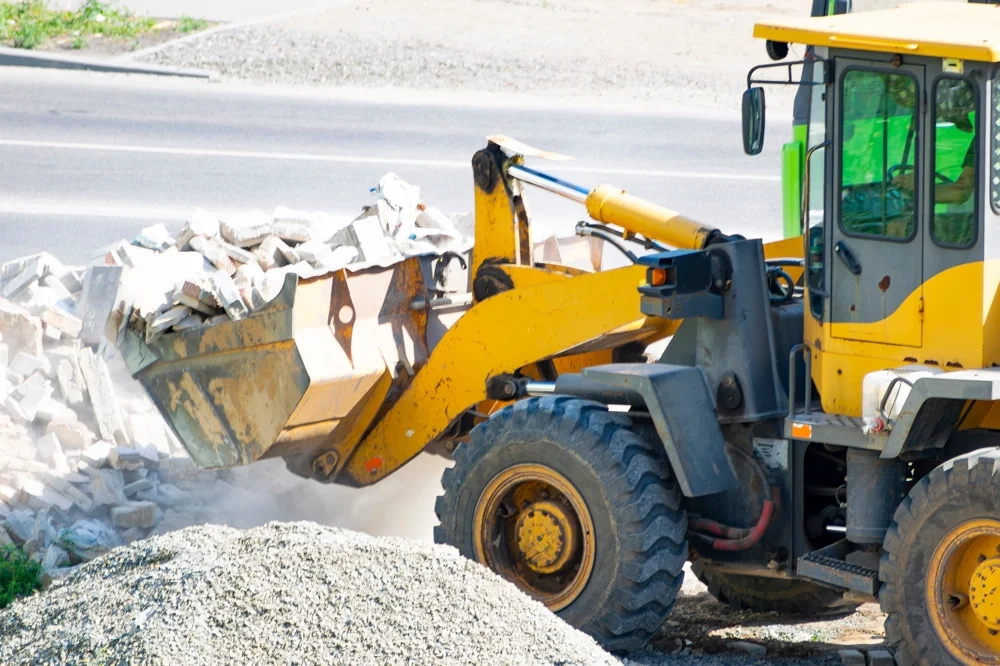
After concrete demolition, the debris is typically transported to recycling facilities, reuse centers, or approved disposal sites depending on the condition of the material and local regulations. Many demolition projects include sorting, hauling, and responsible disposal as part of the overall process.
Concrete debris does not always end up in a landfill. Advances in concrete recycling and disposal have created opportunities to reuse materials, reduce waste, and support environmentally responsible construction practices. Understanding what happens after demolition helps property owners make informed decisions when planning their projects.
Where Does Concrete Waste Go After Demolition?
Concrete waste follows different paths depending on its condition, composition, and local recycling capabilities.
In many cases, demolition contractors transport concrete to facilities designed to process construction materials.
Recycling Facilities
Many recycling centers accept demolished concrete for processing.
The material is crushed, screened, and prepared for future construction applications.
Recycling facilities help reduce landfill use while recovering valuable aggregate materials.
Approved Disposal Sites
Not all concrete can be recycled.
Concrete contaminated with certain materials may require disposal at approved facilities that comply with environmental regulations.
Proper disposal ensures compliance with local requirements.
Reuse Opportunities
Some demolition projects create opportunities to reuse concrete directly.
Large concrete sections may be repurposed for:
- Erosion control
- Retaining wall support
- Fill applications
- Landscaping projects
Reuse reduces transportation needs and material waste.
Transportation and Handling
Contractors often use specialized equipment to load and transport heavy debris safely.
Professional concrete debris removal services help ensure materials are handled efficiently throughout the process.
Can Broken Concrete Be Recycled or Reused?
Yes. Concrete is one of the most commonly recycled construction materials.
In many situations, broken concrete can be processed and reused in future projects.
How Concrete Recycling Works
After demolition, concrete is transported to a recycling facility.
The material is typically:
- Crushed
- Screened
- Sorted
- Processed into aggregate
Metal reinforcement may also be removed and recycled separately.
Common Uses for Recycled Concrete
Recycled concrete aggregate is often used in:
- Road base construction
- Parking lots
- Sidewalk foundations
- Drainage projects
- New concrete mixtures
These applications help reduce demand for newly mined materials.
Benefits of Reuse
Recycling concrete offers several advantages.
These include:
- Reduced landfill waste
- Lower transportation impacts
- Conservation of natural resources
- Cost savings in some projects
Limitations of Recycling
Not every piece of demolished concrete is suitable for recycling.
Contamination from other materials may limit reuse opportunities.
Professional evaluation helps determine the most appropriate handling method.
Modern concrete recycling and disposal practices continue to improve sustainability within the construction industry.
Do Contractors Include Debris Removal in Their Service?
Many contractors include debris removal as part of their demolition services, but coverage varies by company and project scope.
Property owners should review service details before work begins.
Full-Service Demolition Projects
Comprehensive demolition services often include:
- Concrete removal
- Loading debris
- Transportation
- Site cleanup
- Disposal or recycling
These services simplify project management for property owners.
Separate Removal Charges
Some contractors separate demolition and hauling costs.
Factors affecting pricing may include:
- Debris volume
- Material weight
- Disposal fees
- Transportation distance
Reviewing estimates carefully helps avoid misunderstandings.
Importance of Written Agreements
A detailed contract should clearly identify responsibilities regarding debris handling.
Key items may include:
- Cleanup expectations
- Disposal methods
- Recycling practices
- Hauling costs
Clear communication promotes smoother project execution.
Benefits of Professional Removal
Professional concrete debris removal services reduce safety risks and ensure compliance with local disposal regulations.
Heavy debris requires proper equipment and handling procedures.
For many property owners seeking concrete debris removal in Rock Hill, SC, full-service demolition and hauling provides convenience and peace of mind.
How Much Does It Cost to Haul Away Concrete Debris?
The cost of debris removal depends on several project-specific factors.
Because concrete is heavy, transportation and disposal costs often play a significant role.
Volume and Weight
Concrete hauling costs are frequently influenced by the amount of material involved.
Larger demolition projects generally generate:
- More debris
- More transportation requirements
- Higher disposal fees
Weight directly impacts hauling expenses.
Accessibility Considerations
Site conditions affect labor and equipment needs.
Factors that may influence pricing include:
- Limited access
- Narrow work areas
- Sloped terrain
- Obstacles requiring additional equipment
More difficult conditions often increase costs.
Recycling Versus Disposal
Recycling facilities and disposal sites may have different fee structures.
In some situations, recycling can reduce overall disposal expenses.
However, costs vary based on location and material condition.
Equipment Requirements
Concrete removal often requires specialized machinery such as:
- Excavators
- Skid steers
- Dump trucks
- Concrete breakers
Equipment usage affects total project pricing.
Requesting an Accurate Estimate
Because every project differs, obtaining a site-specific evaluation is the best way to understand expected costs.
Professional contractors assess material quantities, access conditions, and disposal requirements before preparing estimates. You can also learn more about affordable concrete price estimates tailored to your project.
Is Concrete Disposal Environmentally Friendly?
Concrete disposal can be environmentally responsible when recycling and reuse opportunities are prioritized.
The construction industry continues to adopt practices that reduce waste and conserve resources.
Reducing Landfill Demand
Recycling concrete prevents large volumes of material from entering landfills.
This helps extend landfill capacity and reduce environmental impacts associated with waste disposal.
Conserving Natural Resources
Recycled concrete aggregate can replace newly quarried stone in many applications.
This reduces demand for mining activities and preserves natural resources.
Lower Transportation Impacts
Local recycling facilities may reduce transportation distances compared to traditional disposal methods.
Shorter hauling routes can decrease fuel consumption and emissions.
Supporting Sustainable Construction
Many modern construction projects incorporate recycled materials whenever practical.
Using recycled aggregate supports sustainable building practices and circular resource management.
Responsible Contractor Practices
Choosing contractors committed to concrete recycling and disposal best practices can improve environmental outcomes.
Responsible handling often includes:
- Material separation
- Recycling prioritization
- Regulatory compliance
- Efficient transportation planning
These efforts contribute to more sustainable project execution.
For property owners evaluating concrete debris removal in Rock Hill, SC, environmentally responsible disposal methods are increasingly accessible and practical.
Final Notes
Concrete demolition debris does not automatically become waste. Through modern concrete recycling and disposal practices, much of the material can be recycled, reused, or repurposed for future construction projects. Professional concrete debris removal services help ensure safe handling, regulatory compliance, efficient cleanup, and environmentally responsible material management.
Clear the Way for Your Next Project with Confidence
Every successful construction project begins with a clean, properly prepared site. At RyanCo Concrete Construction, we understand that demolition is only part of the job. Proper cleanup, hauling, and responsible disposal are equally important to achieving a successful result.
When you work with us, we manage the entire process from demolition through concrete debris removal in Rock Hill, SC. We prioritize safety, efficiency, and environmentally responsible practices whenever possible.
Whether your project involves a concrete driveway, concrete patio, concrete foundation, or commercial concrete structure, we are ready to help. Contact us today and let us handle the debris so you can focus on what comes next.
