
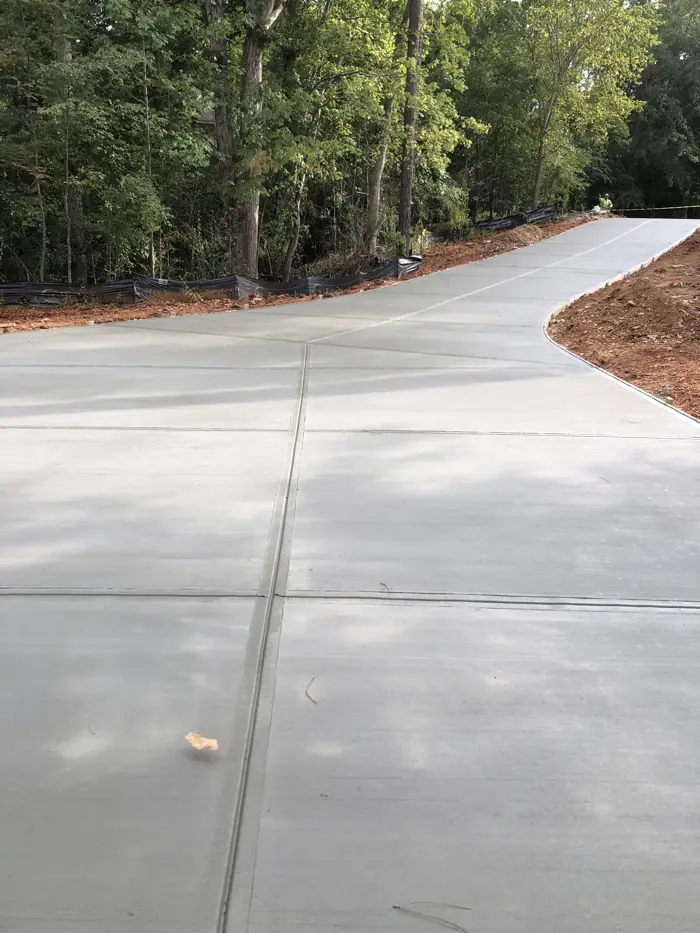
Concrete walkways used to be simple and forgettable. You poured them, you walked on them, and that was it. Today, that’s no longer the case. Designers and homeowners are rethinking how outdoor paths work and how they feel.
More concrete walkways are being designed like interior hallways, with purpose, flow, and visual appeal. They connect spaces smoothly and make transitions feel natural.
This change is about more than looks. It’s about creating a better experience from the moment someone steps onto the property.
Why are Concrete Walkways Starting to Look More Like Indoor Hallways?
Interior hallways are no longer ignored spaces. They are designed to guide movement, frame views, and connect rooms in a way that feels natural. That same philosophy is now being applied outdoors.
Homeowners are realizing that walkways shape how people experience a property. A straight, plain slab moves you from point A to point B, but it does nothing to slow you down or make the space feel welcoming. A thoughtfully designed walkway, on the other hand, invites you in.
There are a few reasons this shift is happening now.
First, homes themselves have changed. Open floor plans, large windows, and seamless indoor-outdoor transitions have blurred the line between inside and outside. When the interior of a home feels curated and cohesive, a basic exterior walkway suddenly feels out of place.
Second, homeowners are spending more time outside. Front yards, side yards, and backyard paths are being used more frequently, not just passed through. When a space gets used, expectations rise.
Finally, there is a growing awareness that small design details matter. Just like a hallway rug, lighting choice, or wall finish can elevate an interior, texture and layout can elevate a walkway.
The result is concrete walkways that feel less like sidewalks and more like intentional corridors through the landscape.
How Do Interior Design Trends Influence Modern Concrete Walkway Designs?
Interior design trends have a way of quietly working their way outdoors. Materials, patterns, and layouts that feel good inside tend to inspire similar approaches outside.
One of the biggest influences is the idea of visual continuity. Homeowners want their exterior spaces to feel like an extension of their interiors, not a separate environment with its own rules.
You can see this influence in several ways:
Defined pathways
Interior hallways clearly define where people walk. Modern concrete walkways are doing the same by using borders, changes in texture, or subtle elevation shifts.
Material inspiration
Concrete is being finished to resemble materials commonly found indoors, such as tile, stone, or even wood. Stamped and textured finishes help create that familiar visual language.
Rhythm and repetition
Interior hallways often use repeating elements like light fixtures, wall panels, or flooring patterns. Outdoor walkways now mirror this through repeating joints, stamped patterns, or segmented slabs.
Lighting integration
Just as hallways use lighting to guide movement, outdoor walkways are incorporating low-profile lighting that enhances safety while setting a mood.
Color palettes also play a role. Instead of stark gray, modern concrete walkways often use warm neutrals that match interior flooring or trim. This makes the transition from inside to outside feel smoother.
Interior design has taught homeowners that how you move through a space matters. That lesson is now shaping exterior concrete in meaningful ways.
What Makes Hallway Style Concrete Walkways Popular in Residential Landscapes?
Hallway-inspired walkways are not just about looks. They solve practical problems while improving the overall feel of a property.
One of the biggest reasons they are catching on is clarity. A well-designed walkway tells people where to go without signage or guesswork. This is especially important in larger properties or homes with layered landscaping.
These walkways also create a sense of order. Instead of feeling like concrete was poured wherever space allowed, the pathway feels planned and intentional.
Some features that make these designs appealing include:
- Clear edges that separate walking areas from planting beds
- Consistent width that feels comfortable and balanced
- Gentle curves that slow movement and encourage awareness
- Surface textures that provide grip without feeling harsh
Another reason for their popularity is how they enhance curb appeal. The front walkway is often the first thing visitors experience. A hallway-style design makes that approach feel welcoming rather than rushed.
There is also an emotional component. People tend to respond positively to spaces that feel familiar. When a walkway subtly echoes the design principles of an interior hallway, it feels intuitive and comfortable, even if people cannot explain why.
In residential landscapes, that sense of ease matters. A good walkway should not demand attention, but it should quietly improve how the space feels.
How Does Hallway Inspired Concrete Design Improve Outdoor Flow and Usability?
Flow is one of those design concepts that is easy to feel and hard to define. You know when a space flows well because moving through it feels natural. Hallway-inspired concrete design excels at creating that feeling outdoors.
Instead of treating walkways as leftover space between features, this approach puts movement first. Paths are aligned with doors, sightlines, and destinations in a way that feels logical.
This improves usability in several ways.
Better navigation
Visitors intuitively know where to walk, reducing wear on lawns and planting areas.
Safer movement
Textured surfaces, consistent widths, and thoughtful lighting make walkways easier to use at night or during wet conditions.
Stronger connections
Walkways connect outdoor spaces the same way hallways connect rooms, making patios, gardens, and entrances feel like part of one cohesive layout.
More intentional pauses
Just as interior hallways sometimes open into foyers or transitional spaces, outdoor walkways can widen or change texture to signal gathering points.
From a practical standpoint, these designs also age better. Because they are built with purpose, they tend to remain functional even as landscaping grows or usage patterns change.
They also encourage homeowners to use their outdoor spaces more. When movement feels easy and comfortable, people are more likely to step outside, take a walk, or enjoy different areas of their property.
In short, hallway-inspired concrete walkways do more than look good. They make outdoor spaces work better.
Why This Design Shift Feels So Natural
The reason this trend feels so organic is because it mirrors how people already think about space. Inside the home, we instinctively understand how hallways should work. We expect them to guide us, frame experiences, and connect rooms gracefully.
Applying those same principles outdoors just makes sense.
Concrete, with its versatility and durability, is the perfect medium for this kind of design. It can be shaped, textured, and finished in ways that support both form and function.
As homeowners continue to blur the lines between indoor and outdoor living, expect to see even more walkway designs that prioritize flow, comfort, and visual cohesion over pure utility.
This is not about overdesigning. It is about designing with intention.
A Thought From RyanCo Concrete Construction
At RyanCo Concrete Construction, we believe concrete should do more than exist. It should guide, connect, and enhance how people experience their homes.
Let’s Design Walkways That Feel Like They Belong
If your concrete walkways feel like an afterthought, it might be time to rethink them. Whether you are building new paths or redesigning existing ones, we can help you create concrete walkways that move people through your property with the same care and thought as an interior hallway.
Reach out to RyanCo Concrete Construction and let’s design something that feels natural from the first step.
